BUENOS AIRES, Argentina (AP) — Argentina’s Congress voted Thursday to bar the central bank from printing money to pay the government’s bills, enshrining in law a key pillar of President Javier Milei’s fight against the country’s notoriously high inflation.
Under the new charter, the central bank’s “primary and fundamental mission” will be to preserve the value of the peso — a goal Milei has pursued in office even though, as a candidate in 2023, he promised to abolish the bank and replace the local currency with the U.S. dollar.
Get The Latest News!
Don't miss our top stories and need-to-know news everyday in your inbox.
The 141-0 vote in the Chamber of Deputies, with 99 abstentions, comes days after preliminary figures showed Argentina had likely slipped into recession, less than a year before the libertarian economist seeks a second four-year term.
For generations, when Argentine governments spent more than they collected in taxes, they turned to the central bank to print pesos to fill the gap, fueling repeated currency crises and bouts of hyperinflation. The law puts an end to “91 years of plunder, expropriation, impunity and institutional decay,” Milei’s office said in a statement.
The new charter bars the bank from lending to any level of government or otherwise financing the Treasury. It also scraps the bank's employment and economic development goals added under former President Cristina Fernández de Kirchner, the Peronist opposition leader whose administrations leaned heavily on the central bank to fund unbridled spending.
But the law gives the monetary authority less protection than Milei sought. His original bill would have required a two-thirds vote in both houses of Congress to remove the bank’s governor, his appointee Santiago Bausili. The Senate watered down that clause, and the lower house lacked the votes Thursday to restore it. Now a president can replace the bank’s leadership with a simple Senate majority.
Milei has slashed public spending in the past three years, turning Argentina's chronic fiscal deficits into a surplus and helping cut annual inflation from nearly 300% in early 2024 to 33% last month.
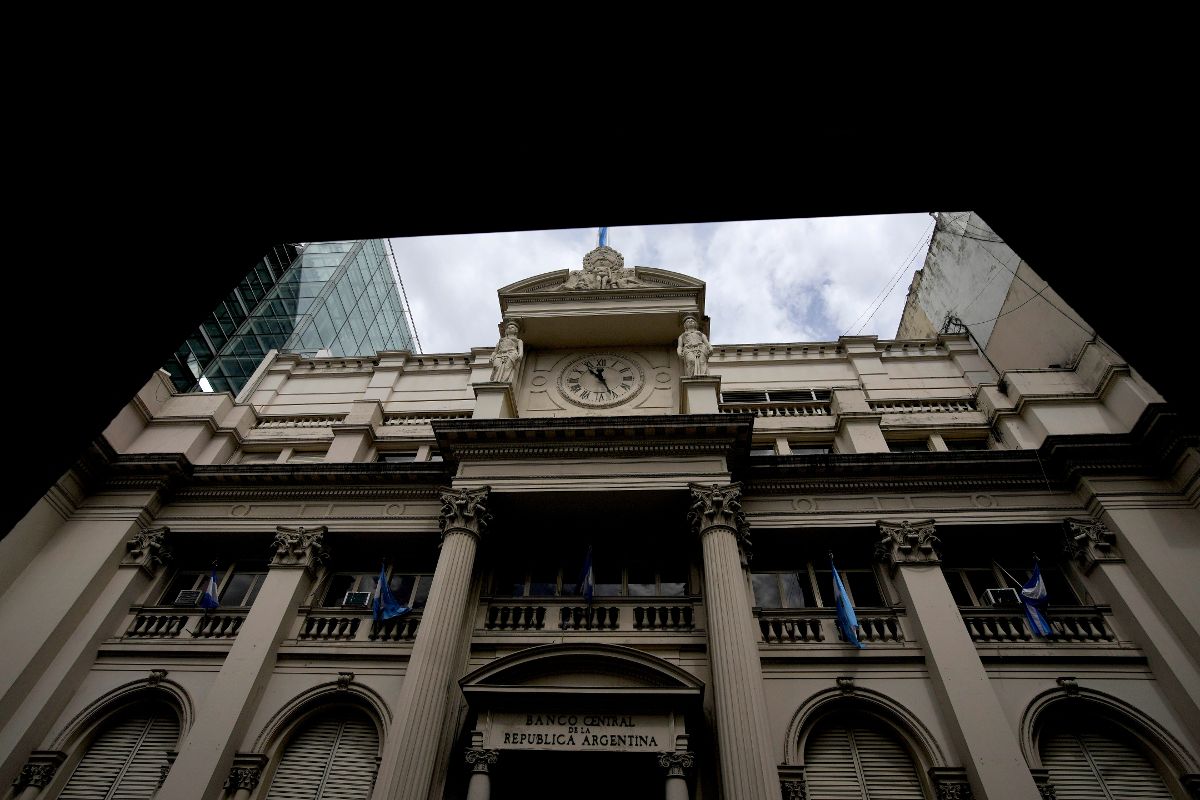
Yet Milei has been reluctant to let the market set Argentina’s most important price: the exchange rate. The charter leaves currency controls in the bank’s hands and sets no clear rule for how it should respond to inflation.
Tight monetary policy has kept the peso strong, making Argentine goods expensive abroad just as factories face a flood of cheaper imports. Oil and gas exports have boomed while labor-intensive industries like manufacturing, retail and construction have struggled.
Argentina’s economy shrank an estimated 1.8% in the third quarter, after a 0.6% contraction in the second, according to official data released Tuesday. Two straight quarters of decline is the usual definition of a recession.
As Milei’s support slips in the polls, investors wary of a country infamous for defaulting on its debt nine times are weighing the possibility that the Peronists — the populist movement that has long dominated Argentine politics — could return to power and reverse his market-friendly reforms. The premium investors demand to hold Argentina’s bonds, a gauge of perceived default risk, has more than doubled since early August, according to JPMorgan.
Under growing pressure, Milei is now hoping to overhaul next year’s presidential race. The Senate on Thursday approved his bill to suspend the mandatory primaries, which the government argues waste public money on contests parties should run themselves. It now goes to the lower house for a vote.
Suspending the primaries, long a bellwether for the general election, would spare Milei an early verdict from voters — one that, if poor, could spook markets and sink the peso and his support with it.
Peronist leaders have balked at the move, which would force their fractured movement to negotiate a ticket behind closed doors or scramble to organize a primary of its own.
"Milei now wants to change the rules of democracy to improve his chances of reelection by cheating,” Buenos Aires province Gov. Axel Kicillof, a potential Peronist challenger to Milei, wrote on X.