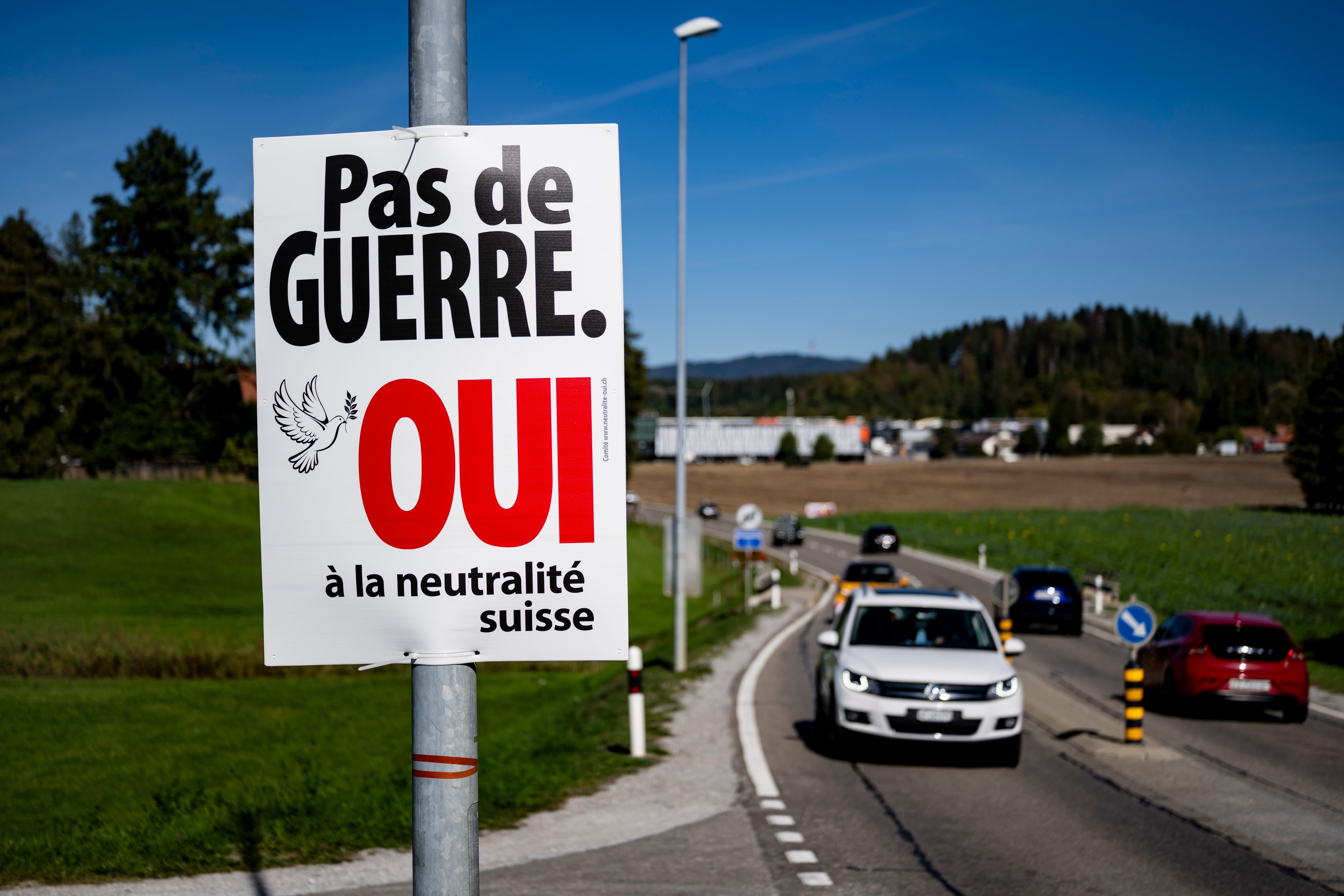
GENEVA (AP) — Early projections on Sunday suggested voters in Switzerland were on track to reject a right-wing proposal aimed at the strict implementation of the country’s neutrality.
Backers of the plan, championed by the Swiss People’s Party that has members with pro-Russia leanings, insist the government has gravitated too close to the European Union and NATO, notably over Russia’s war in Ukraine.
Get The Latest News!
Don't miss our top stories and need-to-know news everyday in your inbox.
The proposal followed Switzerland’s decision to join EU sanctions against Russia. It aims to prohibit the Alpine country from joining punitive measures against hostile countries except United Nations sanctions. Russia wields a veto on the U.N. Security Council as one of its five permanent members.
Switzerland has been committed to neutrality, enshrined in the constitution since the mid-19th century. Swiss neutrality has faced years of debate over what it really means.
Projections from the Swiss public broadcaster SRG, based partly on information from polling agency gfs bern and initial counts from the government, indicated that more than two-thirds of voters rejected the idea.
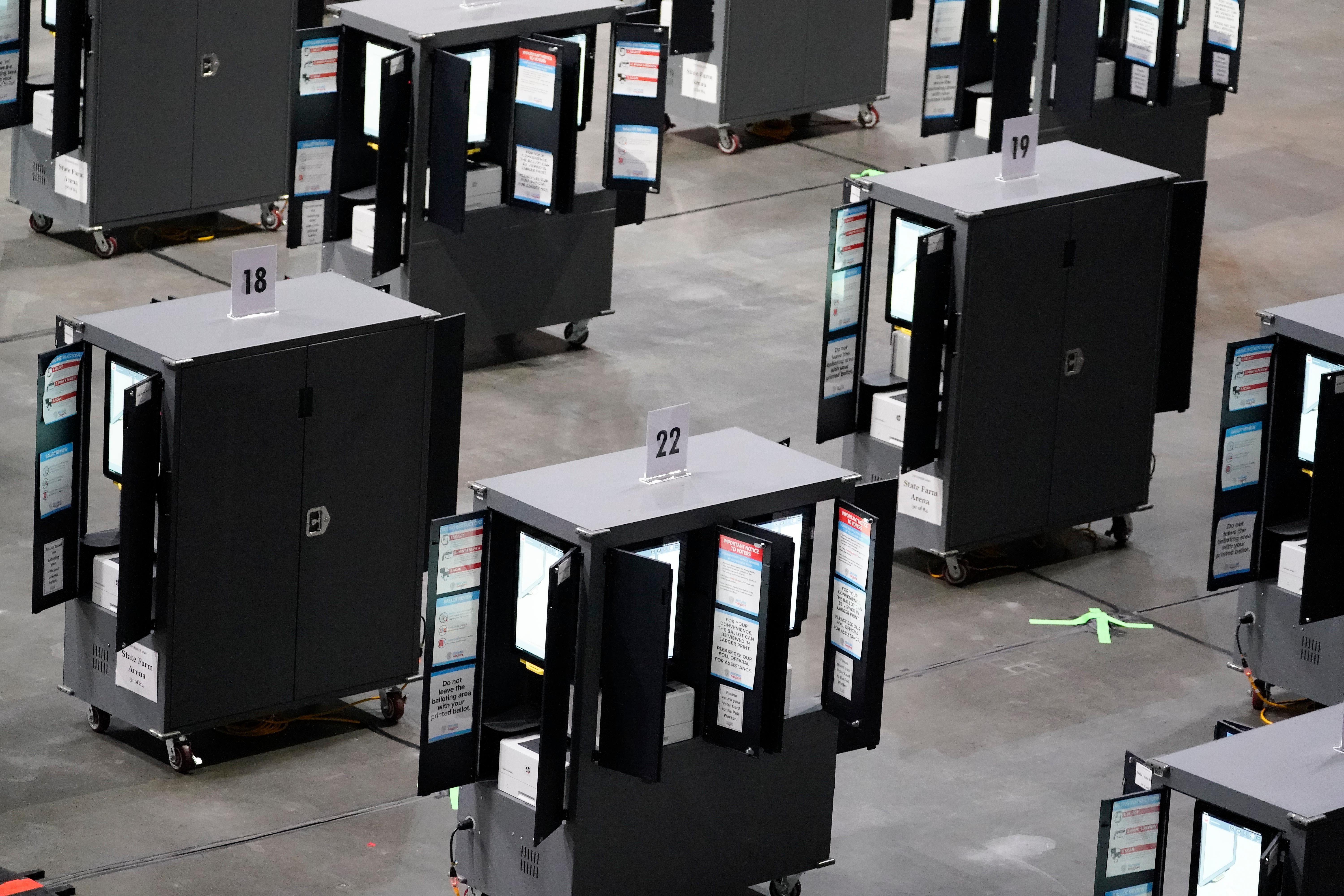
A final official count is expected later Sunday. Polls closed at noon local time; most voters cast ballots by mail.
Switzerland is not a member of any military alliance. However, if the proposal passed, it would bar the Swiss government from even cooperating with any alliance — as it has with NATO for three decades, including through joint exercises — except in cases of threat.
Supporters claim that the government has moved “dangerously close” to the EU and NATO in ways that threaten Switzerland's security and independence of action.
Opponents, including the federal government and parliament, say the constitution already gives the federal government the leeway it needs to protect national interests.
Voters on both sides of the issue had security in mind.
Ruth Bolomey, a 65-year-old retiree originally from Hawaii, said she voted for the initiative. “I believe we need neutrality and should keep neutrality for security reasons — for the people."
New York native Jihad Azkoul, 78, said he voted “no” and had in mind “the question of what happens if Russia attacks us – would we be, would we get protection from our neighbors?”
"(They) probably would, but just to be sure,” he added.
In Swiss democracy, voters typically cast ballots four times a year, giving the public a direct say in policymaking.
The Swiss government is led by an executive branch whose seven members come from across the political spectrum and make decisions by consensus.
The Swiss presidency rotates each year among its members, and the role of president is largely ceremonial, currently held by Guy Parmelin of the Swiss People’s Party.