
Freedom for enslaved people in Texas was announced more than two years after the Emancipation Proclamation had already declared them free. That gap is the heart of Juneteenth, and it explains why the holiday is not only about celebration, but also about delay, struggle, and the unfinished work of making freedom real.
Get The Latest News!
Don't miss our top stories and need-to-know news everyday in your inbox.
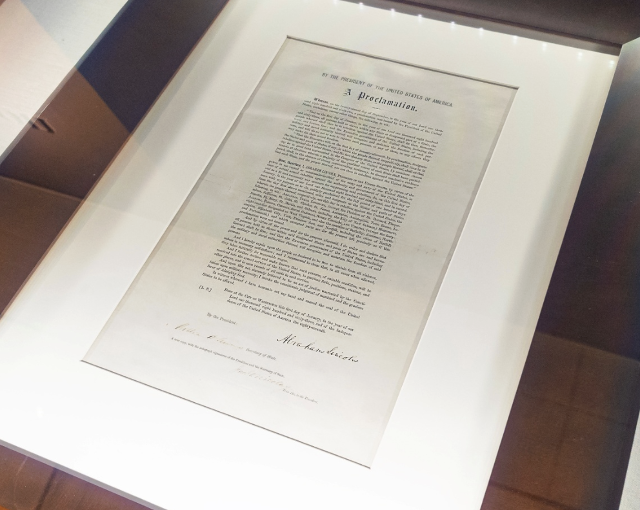
Juneteenth marks June 19, 1865, the day Union General Gordon Granger arrived in Galveston, Texas, and announced that enslaved African Americans in the state were free. For many Americans, that date may seem late in the story of slavery’s end. President Abraham Lincoln had issued the Emancipation Proclamation on January 1, 1863. Yet in practice, freedom did not spread evenly or instantly. In places where Confederate control remained strong and Union troops were absent, enslaved people were often kept in bondage until federal authority could enforce the order.
That is what makes Juneteenth so historically significant. It is not simply a second Independence Day, though some people call it that. It is a reminder that rights written on paper mean little until they are recognized in everyday life.
What happened on June 19, 1865
When General Granger reached Galveston, he issued General Order No. 3. It informed the people of Texas that all enslaved people were free and that there was now “an absolute equality of personal rights” between former enslavers and enslaved people. Those words were powerful, but reality was far more complicated.
Texas had become a place where slaveholders from other Southern states moved during the Civil War, in part because they saw it as a safer place to continue slavery. As a result, the number of enslaved people in Texas grew during the war. Even after the Emancipation Proclamation, many slaveholders ignored it or hid the news from the people they enslaved. Some forced them to work through another harvest before acknowledging freedom. In some cases, violence followed the announcement.
So June 19 was not the moment slavery ended everywhere, and it was not the moment justice suddenly arrived. It was the day federal power finally reached one of the last major Confederate strongholds and made emancipation impossible to deny.
Why the Emancipation Proclamation was not enough on its own
A common misunderstanding is that Lincoln’s proclamation ended slavery across the entire United States overnight. It did not.
The Emancipation Proclamation applied to states in rebellion against the Union. It did not free enslaved people in border states that remained loyal to the Union. It also depended on Union military success. In simple terms, the proclamation could only be enforced where Union troops had control.
That distinction matters. It shows the difference between a law and lived reality. A rule can exist, but if no one enforces it, people may still be denied their rights. That idea still feels familiar. In modern life, schools, workplaces, and neighborhoods often have written standards about fairness and equal treatment. But those standards only matter when people follow them and institutions back them up.
Juneteenth helps people see that gap clearly. It teaches that freedom is not just declared. It must be delivered.
The road from emancipation to citizenship
Juneteenth also sits within a larger story. The end of slavery did not end the struggle for equality. After the Civil War, the United States entered Reconstruction, a period when the nation tried to rebuild and define what freedom meant for newly freed African Americans.
Three constitutional changes shaped that era. The 13th Amendment ended slavery in 1865, except as punishment for a crime. The 14th Amendment, ratified in 1868, granted citizenship and equal protection under the law. The 15th Amendment, ratified in 1870, aimed to protect voting rights for Black men.
On paper, those changes were huge. In practice, they were met with resistance. Black Codes, racial terror, voter suppression, and later Jim Crow laws worked to strip away many of the gains of emancipation. That is one reason Juneteenth is often seen as both a joyful and sober day. It honors a breakthrough while recognizing how much was denied afterward.
How Juneteenth became a tradition
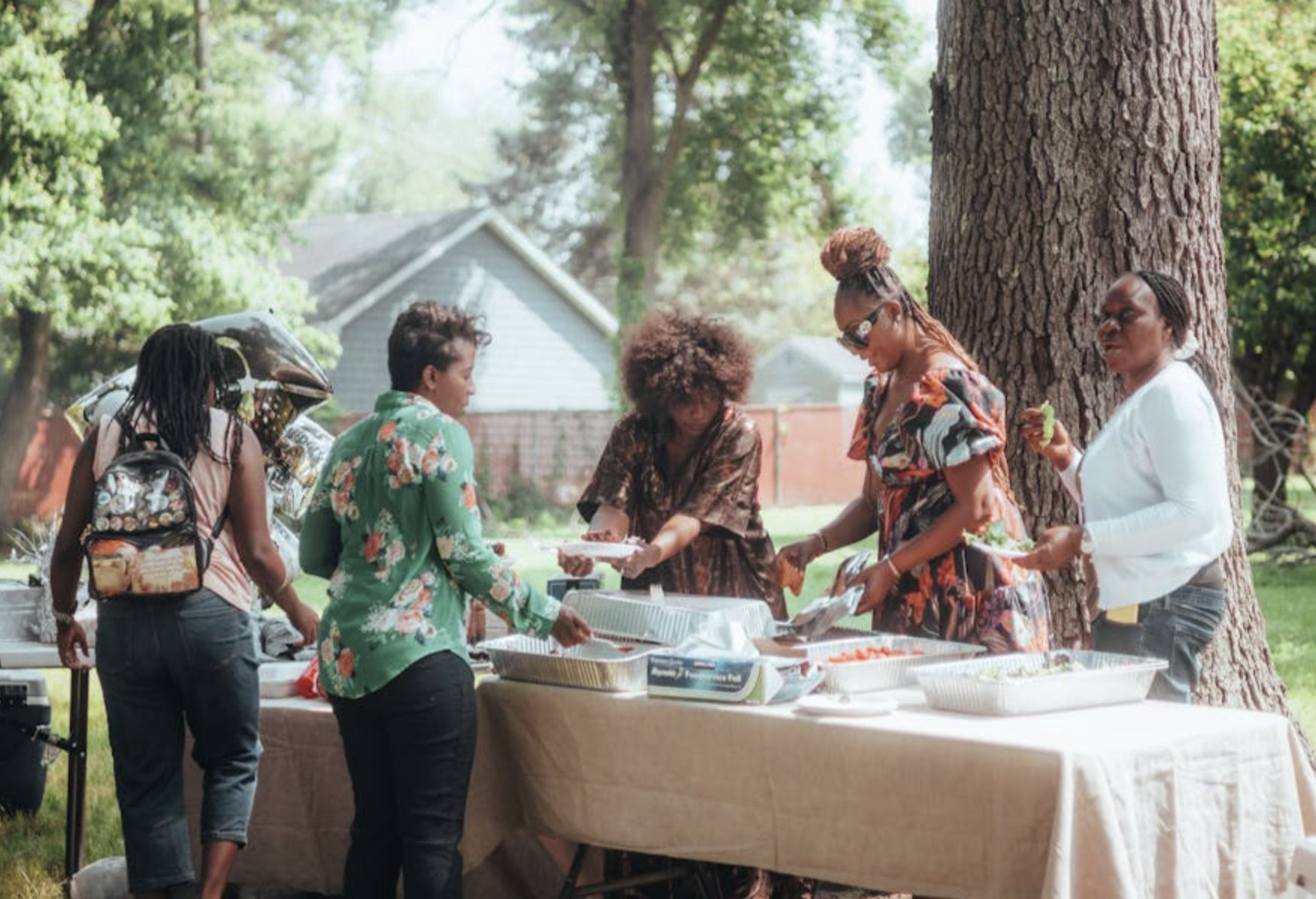
Freed Black communities began marking June 19 soon after 1865. Early celebrations often included prayer services, music, shared meals, public readings of the Emancipation Proclamation, and gatherings in open spaces. In some places, African American communities purchased land specifically to hold Juneteenth events because segregation kept them out of many public parks. One well-known example is Houston’s Emancipation Park, bought in 1872 by formerly enslaved people and community leaders for Juneteenth celebrations.
Food became part of the tradition too. Red drinks and red foods are especially common in Juneteenth celebrations. The color red can symbolize resilience, sacrifice, and remembrance. Families may serve barbecue, strawberry soda, red velvet cake, watermelon, or hibiscus drinks. Music, parades, rodeos, storytelling, and family reunions are also common.
These traditions matter because they show how history lives through ordinary experiences. A holiday is not just a date on a calendar. It is what people cook, sing, wear, teach, and pass down.
Why Juneteenth matters now
For years, Juneteenth was celebrated mainly in Black communities, especially in Texas and across the South. Over time, it spread more widely as people moved, shared traditions, and pushed for broader recognition. In 1980, Texas became the first state to make Juneteenth an official state holiday. In 2021, Juneteenth became a federal holiday in the United States.
That national recognition reflected growing public awareness, but it also raised a fair question: what does it mean to celebrate Juneteenth in daily life?
For some, it means attending a local parade or festival. For others, it means reading about Black history, visiting a museum, supporting Black-owned businesses, or having honest conversations with family members about the past. Schools may use the holiday to teach students that the end of slavery was not a single clean moment. Workplaces may mark it with reflection, community service, or educational events.
The holiday also challenges a popular American habit of turning history into a simple success story. Juneteenth pushes against that. It says progress can be real and delayed at the same time. It says people can win freedom and still face new forms of injustice. That message connects directly to current debates over voting access, criminal justice, education, and whose stories get told.
Common misunderstandings about Juneteenth
One misunderstanding is that Juneteenth marks the end of slavery everywhere. It does not. Slavery continued in some border states until the 13th Amendment was ratified later in 1865.
Another is that Juneteenth is only relevant to Black Americans. In fact, it speaks to a broader American story about law, power, citizenship, and memory. Understanding Juneteenth helps anyone better understand the country’s promises and failures.
Some also assume it is a new holiday. It is newly recognized at the federal level, but the tradition itself is more than 150 years old. In many families, it has been observed for generations.
How to recognize its significance in everyday life
Juneteenth is easiest to understand when you look for the gap between words and reality. A company can claim to value fairness. A school can promise equal opportunity. A nation can declare liberty. The real test is whether people experience those promises in their daily lives.
That is why Juneteenth still resonates. It encourages people to ask practical questions. Who has access? Who gets left waiting? Who benefits when history is forgotten? Those are not abstract ideas. They shape jobs, neighborhoods, classrooms, and civic life.
The holiday can also be a reminder to listen to local history. Many towns have stories about migration, segregation, church communities, civil rights organizing, or family traditions that are tied to emancipation in ways people may not know. Paying attention to those stories makes the holiday more personal and more meaningful.
Juneteenth stands at the meeting point of joy and truth. It celebrates the announcement of freedom, while refusing to forget how long that freedom was withheld and how hard people had to fight to claim it. That is why the day matters. It is not only about what happened in Galveston in 1865, but about what it means, in any era, to turn a promise into a lived reality.