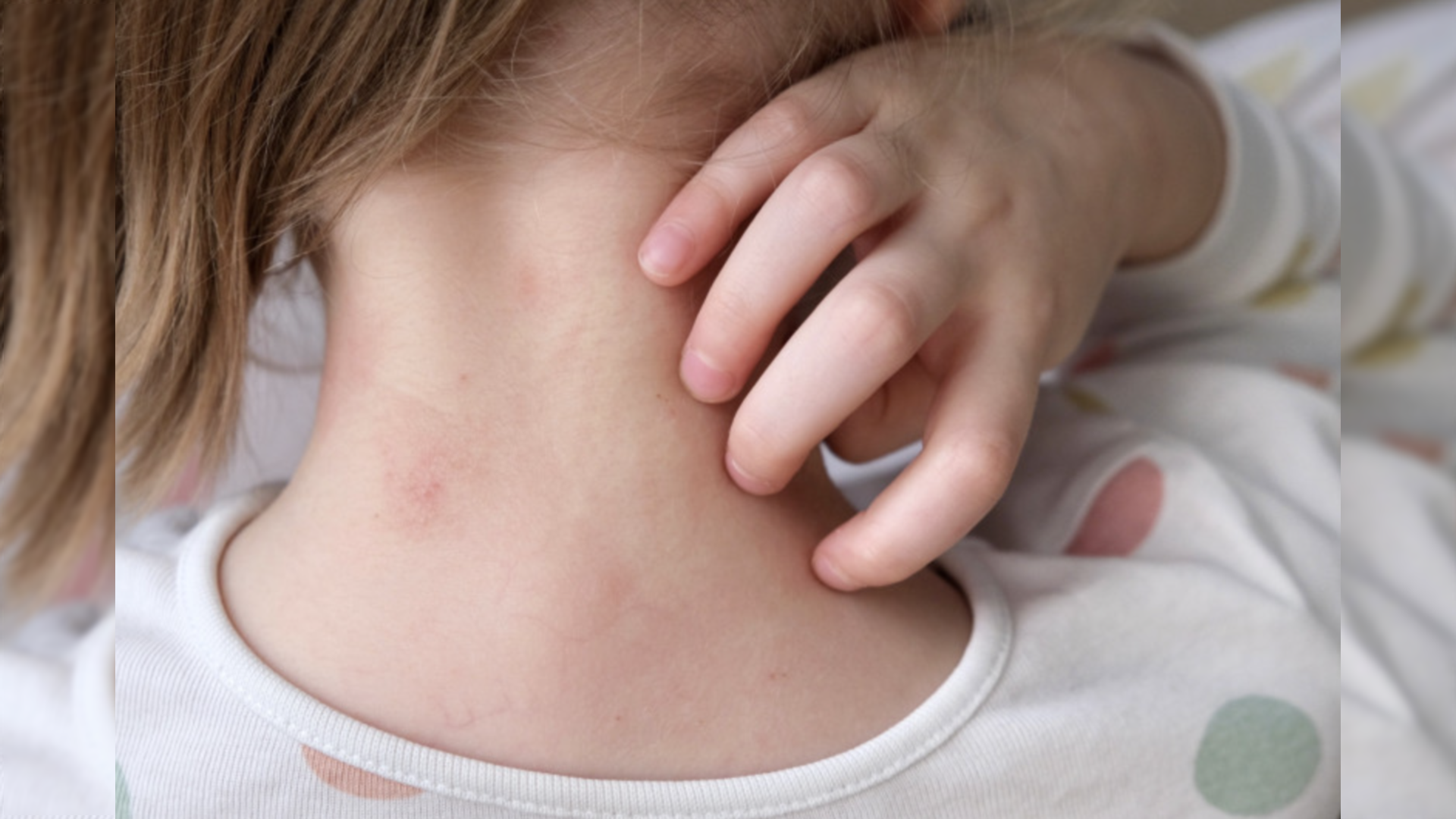
YES: moles, blisters, bumps, acne, boils, peeling skin from a sunburn, rashes, poison ivy or similar skin reactions, warts, skin tags and bug bites YES, BUT: Dr. Kumar says freckles and birthmarks are lesions, but they are not harmful. In other words: “A skin lesion is any type of abnormal growth. It can happen anywhere on the body. If it doesn’t look like normal skin, it’s considered a growth,” Dr. Kumar says. Causes for each of these lesions vary. We know acne is due to bacteria, and warts are from a virus, for example. Medications, lifestyle choices (like eating certain food that doesn’t agree with you) and medical conditions (such as diabetes and liver failure) are other culprits. But when the cause is unexplained, health care providers might need to investigate.
Don't miss our top stories and need-to-know news everyday in your inbox. “We look at the lesion. The majority of the time, we can tell if something is benign or malignant. If we have questions, we err on the side of caution and do a biopsy,” Dr. Kumar explains. That involves cutting out part of the lesion and sending it off to a lab for analysis. “Biopsies can be done in the office. If it’s a bigger procedure, we have to go to the operating room.” If the biopsy confirms evidence of a problem, such as cancer, the doctor will remove the rest of the bad tissue. Or, Dr. Kumar says some people come to him with a cosmetic or practical reason. They have a large birthmark or cyst on their face, are self-conscious about their appearance and would like it removed, for example. Or, they wear a hard hat for work, and the hat rubs against a lesion on their forehead, causing discomfort. Dr. Kumar outlines how he would remove a lesion: “Let’s say it’s on your arm. We clean up the arm. We inject some lidocaine, which is a numbing agent. Then with a knife or other instrument, I’m able to cut it all out. Depending on how deep it is and the size of the lesion, we can glue it back together or put stitches in.” Regardless of the method, Dr. Kumar says most of these procedures are routine for providers with minimal aftereffects for the patient. In complex cases, like if the lesion goes down into a muscle, a plastic surgeon might be consulted.
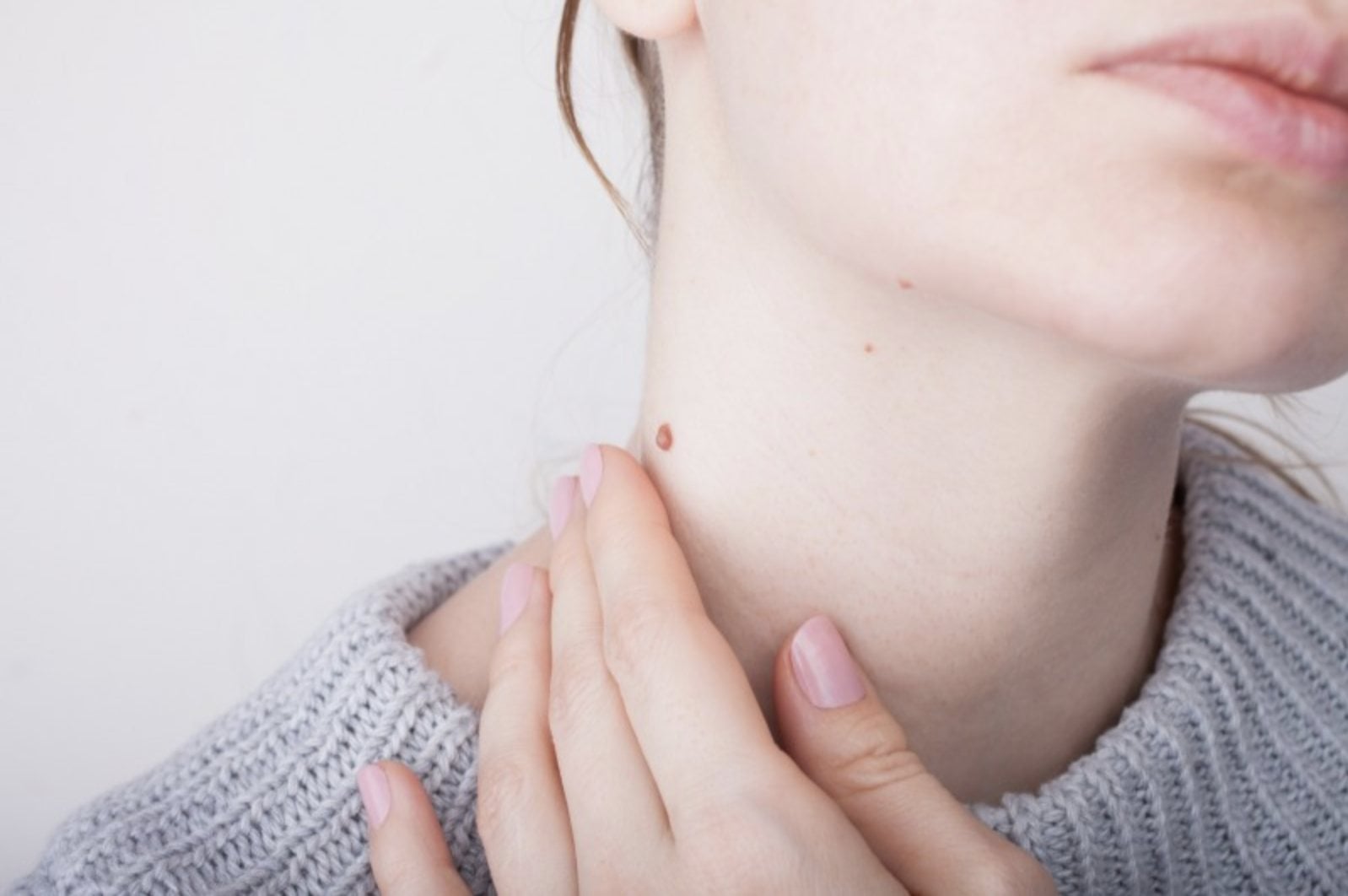 Summer means outdoor activities and a reminder to watch for suspicious moles, a possible sign of skin cancer. But doctors say skin lesions come in many forms, and you should know when to get an expert opinion.
What is and isn’t a skin lesion? Raman Kumar, MD, a colorectal and general surgeon at OSF HealthCare, has your checklist:Get The Latest News!
More like this:
More Than Moles What Skin Lesions Can Reveal
From bug bites to warts and rashes, lesions take many forms. Physicians say knowing what looks abnormal can help you decide when to seek expert advice.
Tim Ditman, OSF Communications
Listen to the story
Article continues after sponsor message
Copyright 2026 Riverbender.com. All rights reserved.
This material may not be published, broadcast, rewritten, or redistributed.