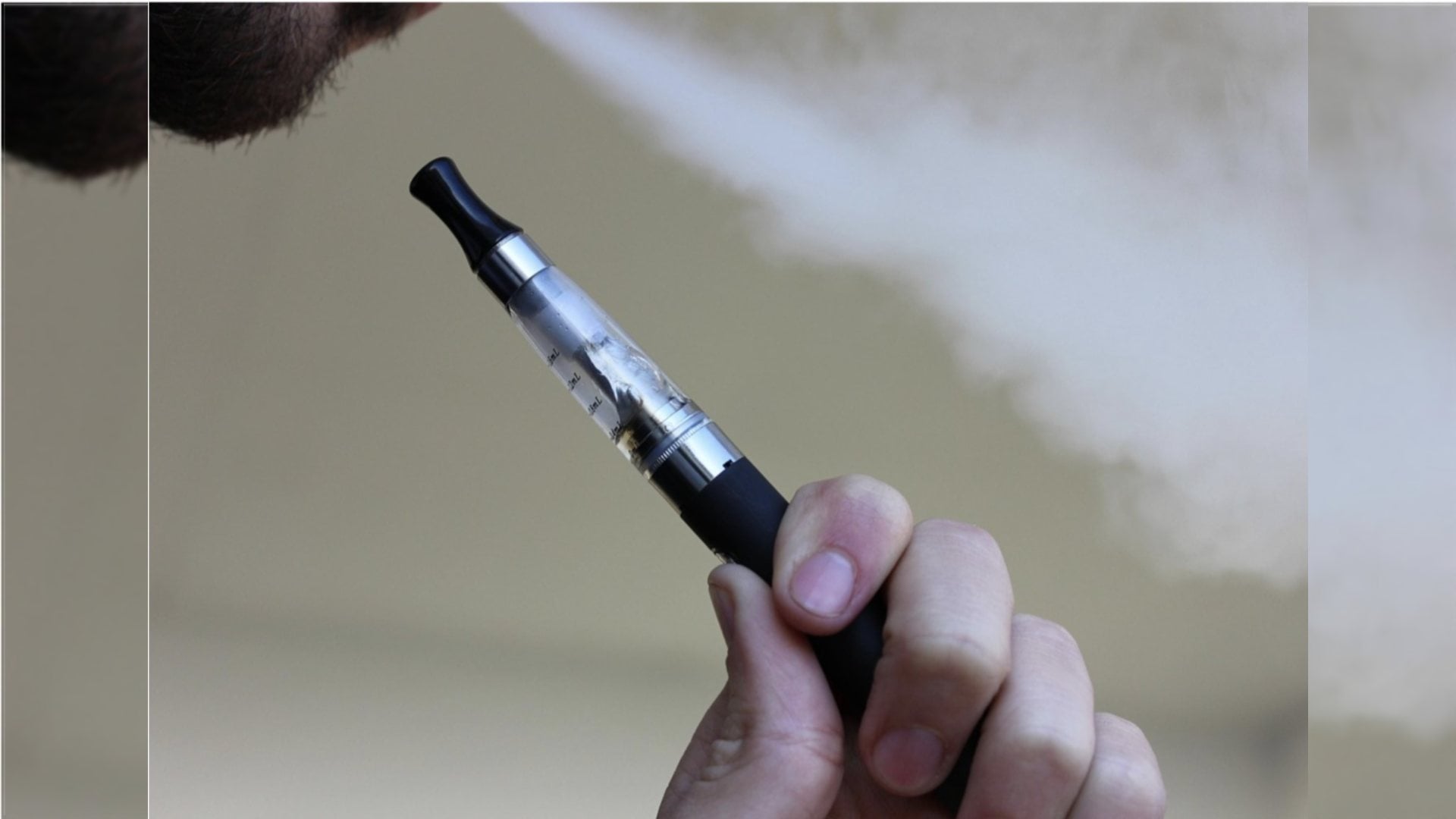
 Just like technology has evolved, so have things in the vaping space. The risk for cancer, stunted brain development and other serious ailments remains the same. But the look of the vapes, the sensation you get when using them and the age at which kids start vaping all are changing. That’s according to Karen Boyd, Heather Thompson and Jessica Williams, Mission Partners (employees) at OSF HealthCare Moeller Cancer Center in Alton, Illinois, who have been talking to parents and kids in the region for years about the dangers.
Vaping: a recap
Get The Latest News!
Don't miss our top stories and need-to-know news everyday in your inbox.
A quick recap on the dangers of vaping:
“Nicotine is a drug, and it’s addicting,” Boyd, a nurse navigator, says plainly. “Vapes can use other chemicals. They can use cannabis. Vapes aren’t regulated by the U.S. Food and Drug Administration. So you don’t know how much nicotine could be in there.”
Boyd adds that she’s seen kids as young as elementary school age experimenting with vaping. Her advice is to stop as soon as possible or never start.
Spotting symptoms, devices
Signs that kids might be vaping that parents and teachers should watch for:
- Changed demeanor, like mood swings
- Frequently stepping away, like asking to go to the restroom a lot at school
“They want to go smoke because they’re addicted already. They need that time. They have to go hide,” says Thompson, a breast health navigator. “Same thing at home. They constantly go to their room or bathroom.”
- New odors coming from your child or their belongings. Williams, a radiation therapist, notes that the smell could be good, like minty.
- Listen for kids using new phrases. Vapes are also called hookahs, pens, tank systems and mods.
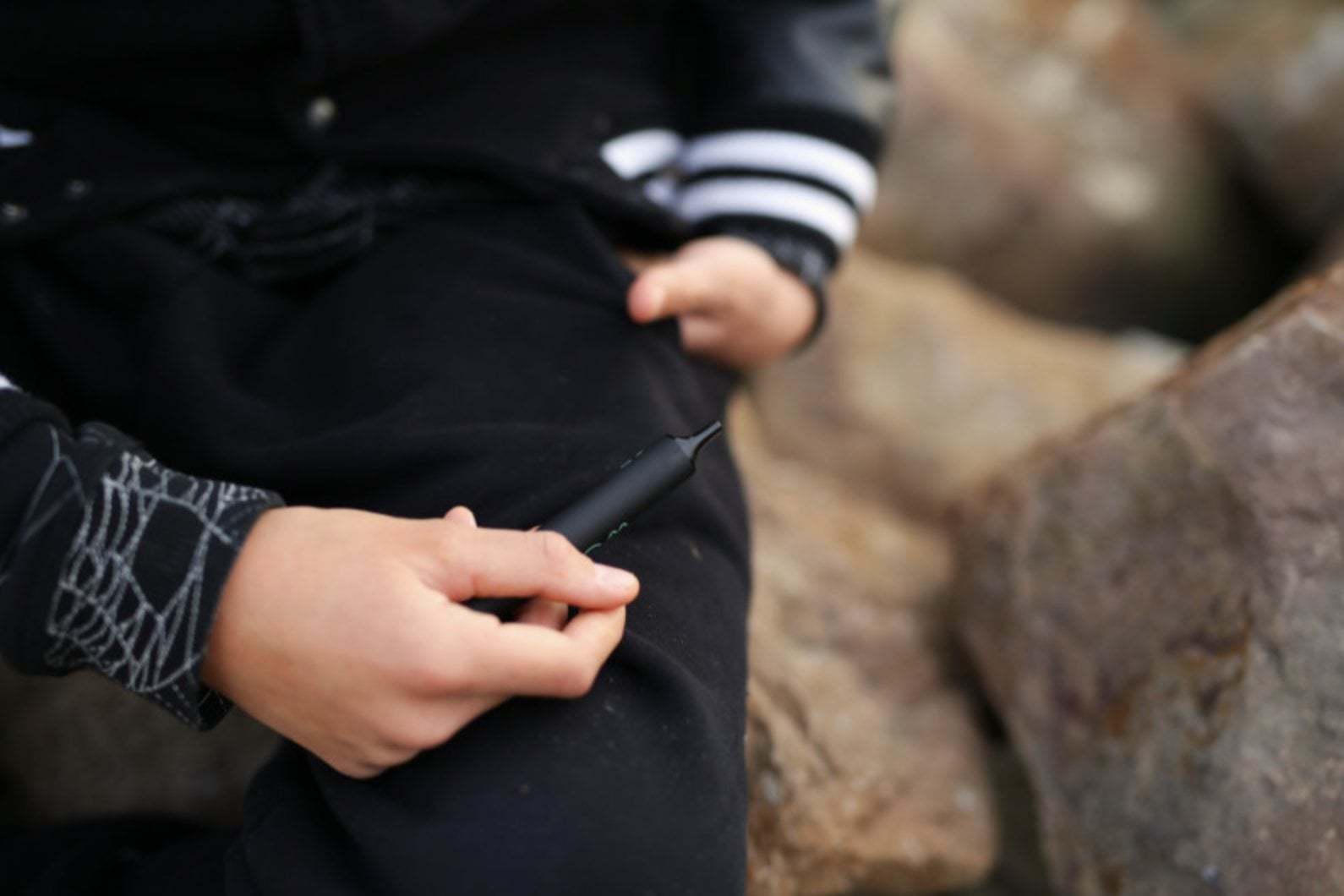
Adults should also know the changing look of vapes. Boyd says they could be in plain sight in your child’s room, and you could miss them. Vapes can look like computer flash drives, ink pens, key fobs, candy canisters and even handheld video games.
Talking to kids
First and foremost, Boyd suggests taking a loving tone when talking to kids about the dangers of vaping. Don’t start by accusing them of wrongdoing.
“Gather information. Encourage them to open up. Make it a safe place,” Boyd says. “If they don’t feel comfortable talking to mom or dad, maybe try somebody at church, an older sibling, a school counselor or a teacher. Find those accountability people.”
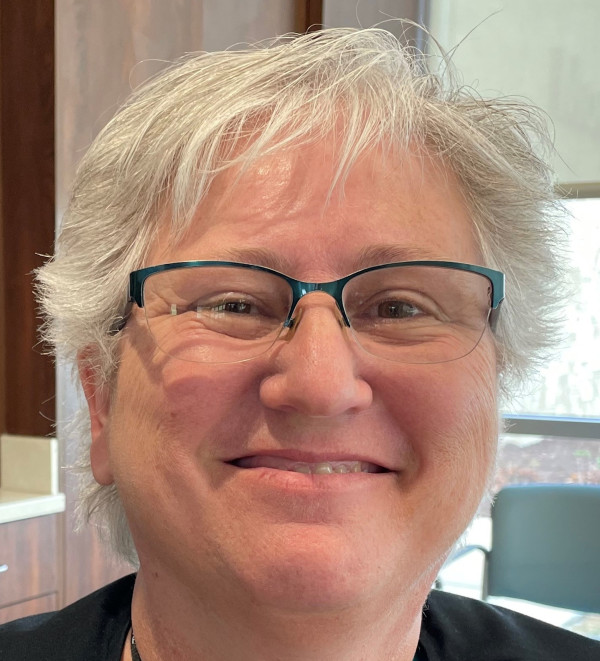
"Gather information. Encourage them to open up. Make it a safe place. If they don’t feel comfortable talking to mom or dad, maybe try somebody at church, an older sibling, a school counselor or a teacher. Find those accountability people."
If your child has a hard time opening up, talk to their pediatrician so they can broach the subject at the next appointment. During the appointment, offer to step out of the room so the child isn’t nervous to talk about their habits.
Thompson adds to keep kids active. If you’re playing backyard baseball with them, you know they’re not vaping.
“We want you to be healthy and live a long life,” she adds, suggesting words to use with your child. Not to mention the money you’ll save.
What about smoking?
How does smoking a traditional cigarette or cigar play into all this?
Boyd says some people see vaping as a way to quit smoking. She says that’s a bad idea. Talk to your health care provider instead about medication and other options.
At OSF Moeller Cancer Center, Boyd, Thompson and Williams offer a smoking cessation program. Providers can refer patients to the program, or they can self-refer by calling (618) 474-6791. OSF then connects the person with resources to quit and provides regular check-ins. Schools, businesses and community groups can also call to see how they can benefit from the program.
“Working on oncology, we see the back end. We see patients who have been 30-year smokers. They have a CT scan, and they find an abnormal mass,” Thompson recalls. “So we try to catch them early. We have younger patients who are seeing their primary care provider. Their provider says they’ve been smoking for five years, and they put the referral in. Well, we just saved them 25 years of smoking if we can get them to stop now.”
“Don’t see it as a failure,” if you can’t quit right away or if you relapse and smoke a few, Boyd adds. “Try again. We’re not all made the same. Quitting looks different for everyone”