This Day in Music History: August 24
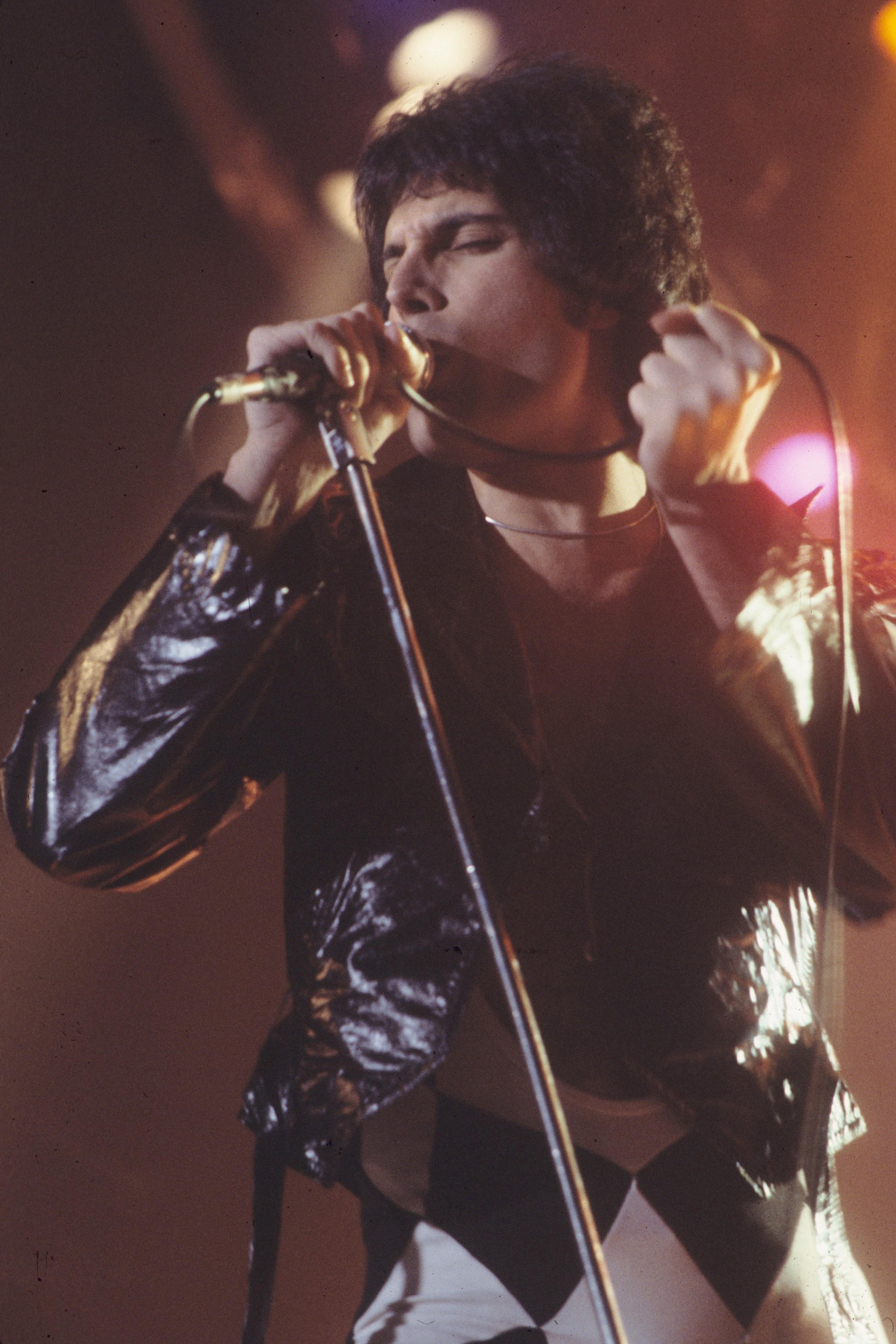
On Aug. 24, 1975, Queen began recording “Bohemian Rhapsody” at Rockfield Studios in Wales, starting work on a record that would test the limits of both rock songwriting and studio technique. Freddie Mercury brought the band a multi-part composition that moved from piano ballad to hard rock to mock-operatic vocal drama, with no conventional chorus to make it an easy radio single. Producer Roy Thomas Baker and Queen used the studio to build dense layers of voices and instruments rather than simply document a live performance. When the nearly six-minute track arrived later that year, its success helped prove that an ambitious, structurally unusual rock record could become a mass audience event. It remains one of the clearest examples of recording technology serving a song’s theatrical imagination.
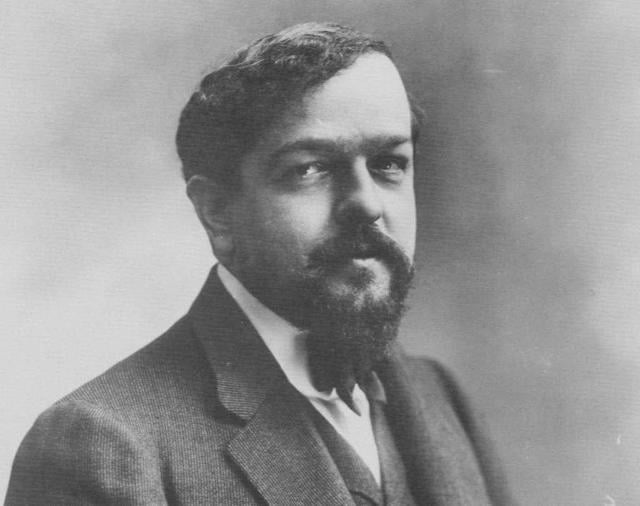
The date also links a wide range of musical history, beginning in 1907, when Edward Elgar premiered the first performance of his “Pomp and Circumstance March No. 4” at Queen’s Hall in London. Elgar had already made the first march in the series famous, but the fourth showed how he could give ceremonial music both grandeur and a strong melodic identity. Its central trio later took on a second life during World War II, when words were written for it as “Song of Freedom.” The premiere is a reminder that the march, often treated as formal background music, was a living orchestral form capable of changing meaning as audiences and national circumstances changed.
Get The Latest News!
Don't miss our top stories and need-to-know news everyday in your inbox.
On Aug. 24, 1963, a 13-year-old Little Stevie Wonder made chart history. His live album, “Recorded Live: The 12 Year Old Genius,” reached No. 1 on Billboard’s album chart while “Fingertips, Pt. 2” was at No. 1 on the pop singles chart. The pairing was especially remarkable because “Fingertips, Pt. 2” was a live performance, captured with the excitement of a teenager, band and audience responding in real time. The instrumental’s harmonica lead and spontaneous feel made it sound different from the carefully controlled studio singles common at the time. For Motown, the double chart success announced that its young artist was more than a novelty; Wonder would grow into one of American popular music’s most inventive writers, singers and producers.
Three years later, on Aug. 24, 1966, the Doors began recording their self-titled debut at Sunset Sound in Hollywood. The sessions followed months of performances on the Los Angeles club circuit, where the group had developed much of its material before entering the studio with producer Paul A. Rothchild and engineer Bruce Botnick. Released in January 1967, “The Doors” brought together blues, jazz-inflected keyboards, flamenco-influenced guitar, poetry and psychedelic rock. It included “Light My Fire,” which became the band’s breakthrough single, and “The End,” a long, unsettling piece that showed an album track could carry the same artistic weight as a hit. The record helped define the darker, more literary edge of the 1960s Los Angeles scene.
Queen’s work at Rockfield nine years later pushed a different kind of rock ambition. The band recorded “Bohemian Rhapsody” while making “A Night at the Opera,” constructing its elaborate vocal passages through repeated overdubs and treating separate musical sections as parts of a single dramatic arc. The song’s eventual rise challenged the assumption that a single needed to be short, straightforward and easily categorized. Its piano opening, choral middle and guitar-driven finale made the record seem closer to a miniature production than a standard pop song. Just as important, the song’s later generations of listeners have kept discovering it through radio, film, television and streaming, extending the impact of the work that began on this date.
On Aug. 24, 1979, Prince released “I Wanna Be Your Lover,” the single that delivered his first major breakthrough. Written and produced by Prince, the record put a lean, danceable groove behind a high, urgent vocal and showed the Minneapolis musician moving beyond the more conventional approach of his first album. The single became an important early statement of his self-contained method: Prince was not only the featured performer, but also the writer and producer shaping the sound. Its mix of funk, disco, pop and sexual frankness pointed toward the boundary-crossing work that would make him one of the defining artists of the following decade.
By Aug. 24, 1985, the relationship between pop music and blockbuster movies had produced another major moment. Huey Lewis and the News began a two-week run at No. 1 on the Billboard Hot 100 with “The Power of Love,” their first chart-topper. The song had been written for “Back to the Future,” and its punchy guitar riff, big chorus and comic energy matched the film’s wide appeal without retelling its plot. The hit showed how a soundtrack song could strengthen a movie’s identity while also standing independently on radio. It became one of the signature recordings of a decade in which music videos, film tie-ins and pop radio increasingly worked together to create shared cultural events.
From Elgar premiering a new march in Edwardian London to Queen assembling a rock opera in rural Wales, Aug. 24 traces music’s ability to travel across settings and technologies. A concert hall premiere, a Motown live recording, a Sunset Strip studio session, a Minneapolis funk-pop single and a Hollywood soundtrack hit all mark different ways musicians reached listeners. The common thread is ambition: artists and producers finding new forms, new sounds and new audiences without treating the limits of the moment as final.