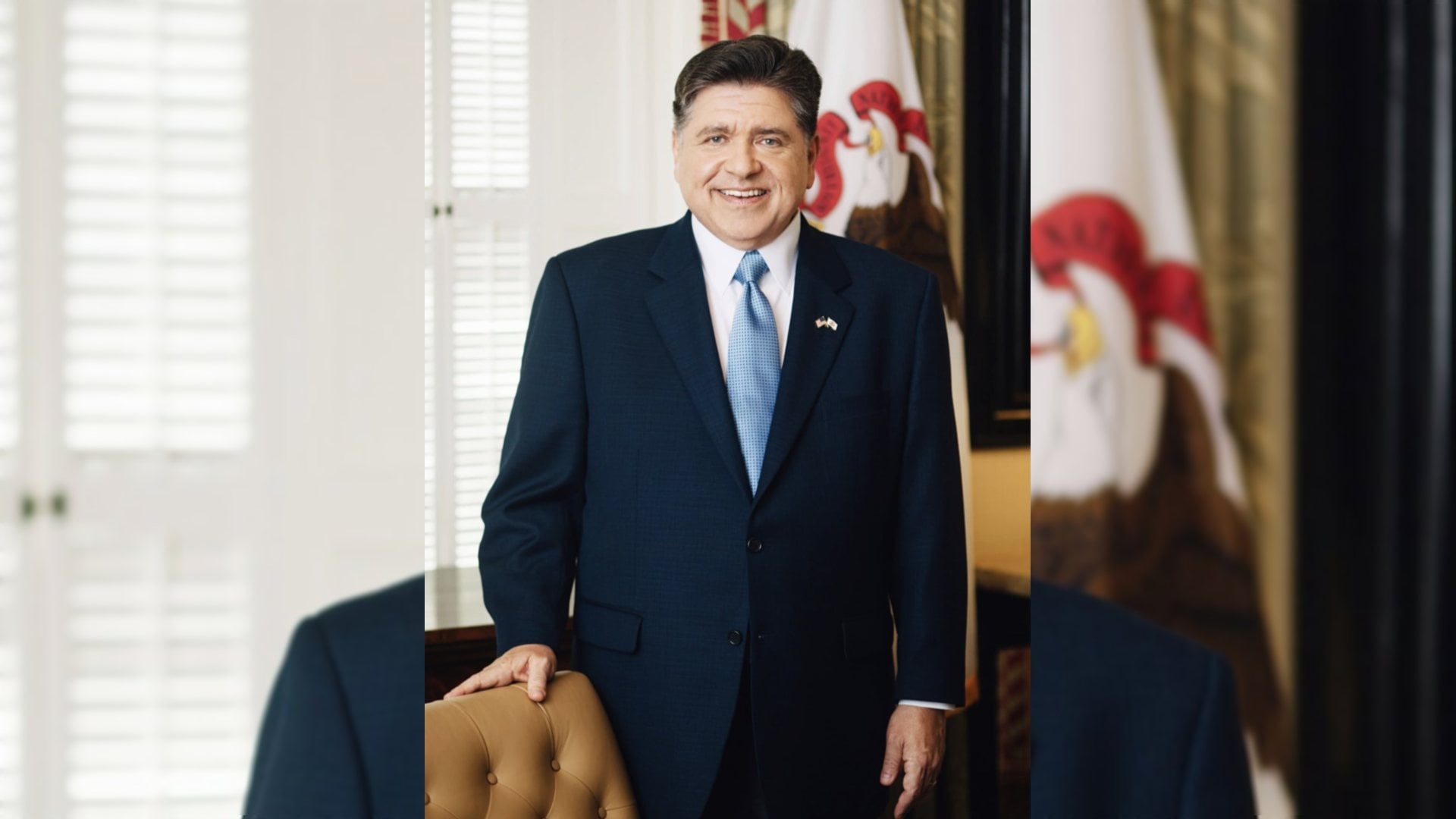
 CHICAGO — As students across Illinois prepare to return to the classroom, Governor JB Pritzker today highlighted national rankings recognizing Illinois as one of the nation’s leaders in education, as well as the state’s continued efforts to invest in and make access to education more affordable for Illinois students and families.
Get The Latest News!
Don't miss our top stories and need-to-know news everyday in your inbox.
“From our earliest learners to students preparing for college and careers, Illinois is recognized as having one of best education systems in the nation,” said Governor JB Pritzker. “These rankings and achievements reflect years of sustained investment in our students, educators, and schools. And as families prepare for a new school year, we’re building on that progress by lowering costs, expanding opportunities, and making sure every student has the resources they need to succeed.”
That progress is now earning national recognition in 2026:
- U.S. News & World Report ranked Illinois #5 for pre-K education in its 2026 Best States rankings
- CNBC ranked Illinois #7 for overall education in its 2026 Top States for Business rankings
- ConsumerAffairs ranked Illinois #8 for public education and #6 for higher education
- Illinois was ranked #2 in the nation for the Free Application for Federal Student Aid (FASFA) completion rate and reached a record rate for the state
While each ranking uses a different methodology, together they measure performance across all aspects of education, from K–12 outcomes and school resources to higher education and career preparation.
Illinois’ progress can also be seen in results for students and families:
- Illinois’ high school graduation rate has reached 89%, the highest on record, along with record high rates for both Black and Latino students
- Nearly half of all in-state college students at public universities pay zero dollars in tuition and fees, while over half of college students pay 25% or less for tuition and fees
- Illinois achieved the 4th consecutive year of community college system fall enrollment growth
- Illinois reached its 10-year anniversary of the state Seal of Biliteracy Program, with a record-breaking 17,111 students achieving multilingual proficiency
Since taking office, Governor Pritzker has made strengthening public education a central priority. His administration has increased Evidence-Based Funding (EBF) for Illinois schools by $2.5 billion, bringing total funding through the formula to a record $9.2 billion.
As the new school year begins, Governor Pritzker is building on that progress with initiatives that lower costs for students and families and support students in and out of the classroom:
- K-12 Education Expense Tax Credits: Allows parents or legal guardians of full-time K-12 students (under age 21) to claim a 25% tax credit on qualified education expenses over $250. The maximum credit is $750 per household, regardless of the number of qualifying students. Eligible educators can claim a credit of up to $250 for qualified expenses paid during the taxable year.
- More Focused Classrooms: Governor Pritzker signed legislation requiring school districts and charter schools to adopt policies limiting student cellphone and other wireless-device use during school time, beginning with the 2027–2028 school year, while preserving exceptions for health, safety, educational needs, and student accommodations.
- Lower Student Transit Fares: Due to the Northern Illinois Transit Authority Act (NITA), which provides sustainable funding for public transportation and improves coordination among the region’s transit agencies, student fares on CTA and Pace will be standardized at 75 cents, including free two-hour transfers. Students will be able to use the reduced fares throughout the entire day and the entire year, expanding beyond traditional school hours and the school year. Metra will also continue offering its reduced student fare.
- Back-to-School Sales Tax Holiday: In August, the state portion of the sales tax on qualifying clothing, footwear, and school supplies was waived, giving families some additional breathing room this school year.