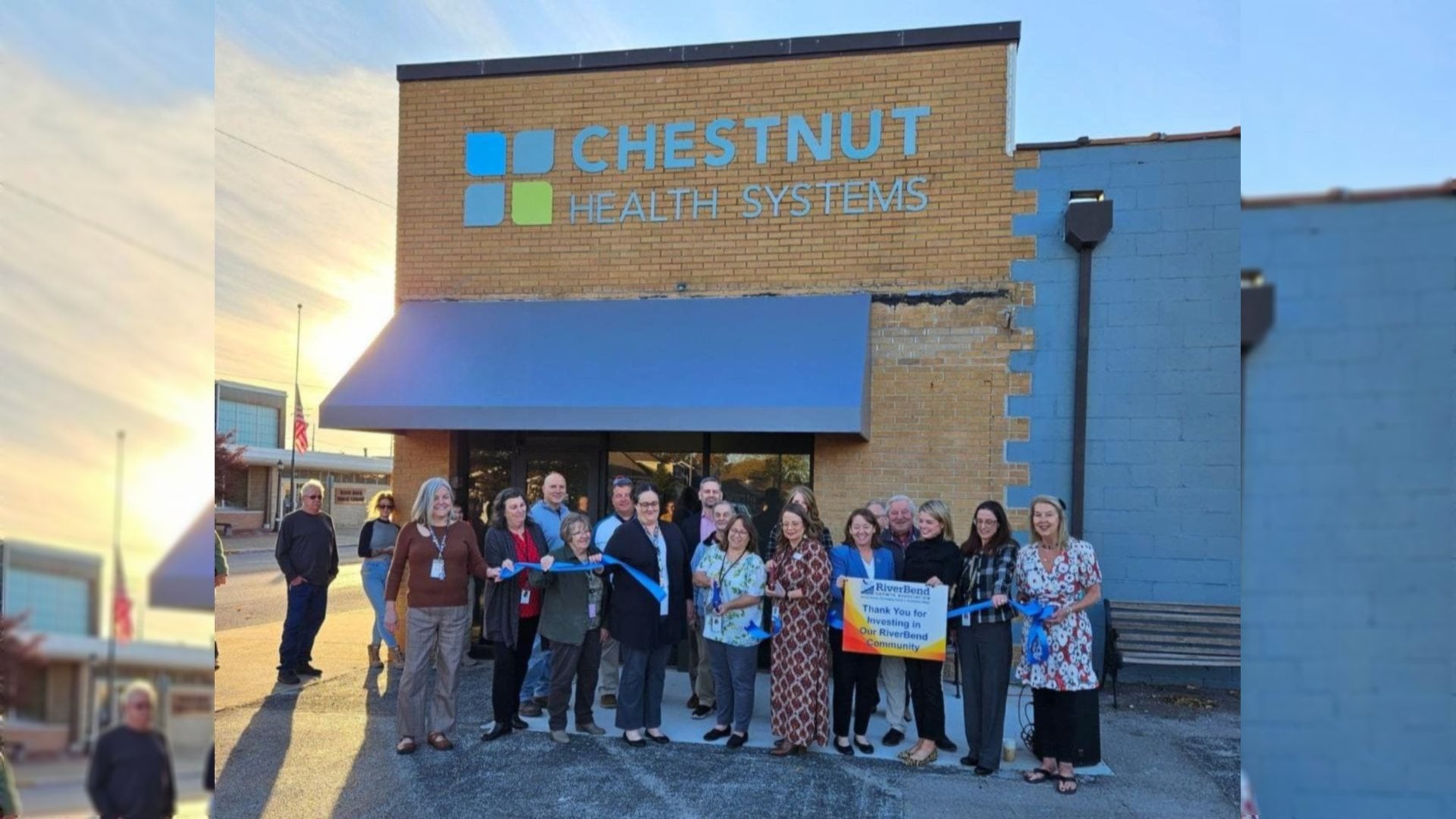
 BLOOMINGTON – Yesterday, U.S. Senate Democratic Whip Dick Durbin (D-IL) visited with leaders of Chestnut Family Dental, a part of Chestnut Health Systems—a critical Medicaid provider of oral health care in the Bloomington area—to tour the site and speak with dental care providers about expanding Illinoisans’ access to dental services. Illinois is facing a shortage of dentists who accept Medicaid despite 3.4 million Illinoisans relying on the program for health insurance coverage. Less than one-quarter of dentists in the state routinely accept Medicaid, resulting in lengthy waitlists that prevent Illinoisans from receiving timely treatment or routine preventive care. Congressional Republicans’ disastrous $1 trillion in cuts to Medicaid through the so-called One Big Beautiful Bill Act will only make these waitlists longer and prevent more Illinoisans from seeking the dental care they need.
Get The Latest News!
Don't miss our top stories and need-to-know news everyday in your inbox.
In total, there are about 8,500 dentists in Illinois, which is a gap of nearly 400 dentists to adequately serve the more than two million people in Illinois who live in areas without easy access to dentists. There are nine counties in Illinois that have only one dentist to serve their community. In Lawrence County, there is only one dentist for the 15,000 people in the area.
“Anyone who has ever experienced the pain of a toothache knows that oral health care is not a luxury. It is essential. But for too many Illinoisans, dental care is out of reach,” Durbin said. “It was great to visit Chestnut Health Systems Dental Clinic in Bloomington—one of the clinics helping to expand access to quality, affordable dental care for Illinoisans.”
“We were honored to host Senator Durbin and share both the impact Chestnut Family Dental is making and the real barriers many in our community still face,” said Puneet Leekha, CEO, Chestnut Health Systems. “Expanding access to quality, patient-centered dental care remains critical, and we’re proud to be part of that solution.”
“Every day, we see how access to dental care can change lives,” said Dr. Anne Koehne, dentist, Chestnut Family Dental. “Patients who once went without care are now receiving treatment in a compassionate environment, and that’s the kind of impact our community needs more of.”
Good oral health is essential to overall health and well-being, helping to avoid pain and infections and reduce the risk of chronic diseases—including cancer, heart disease, and diabetes. While most oral health conditions are preventable and can be treated in early stage, more than 50 percent of children and more than 25 percent of adults in the U.S. have cavities, according to the Centers for Disease Control and Prevention (CDC). Additionally, nearly 50 percent of children and adults have periodontitis.
Nearly 70 million Americans do not have dental insurance – more than twice the number of Americans who do not have medical insurance. Compounding the problem, 64 million Americans lack access to a dentist or other oral health professionals and live in a Dental Health Professional Shortage Area. Without access to insurance and preventative care, too many Americans are forced to visit the emergency room for dental emergencies, driving up health care costs.
In March, Durbin introduced the Promoting Dental Health Act to bolster access to dental care professionals. The legislation would reauthorize funding CDC’s Oral Health program for the next five years. The CDC’s Oral Health program receives $20.25 million in annual funding for a range of public health activities to promote oral health. This includes funding 15 states to prevent cavities, gum disease, and other painful and serious conditions through dental education, data collection, school-based sealant care for low-income children, workforce development, and research into gaps in patient care. Currently, Illinois is unfunded by the CDC’s program and has not received a grant in two decades because the Oral Health program, which has not been reauthorized in a decade, is not adequately funded to serve every state.
Durbin also authored a provision in the American Rescue Plan to invest $1 billion into the National Health Service Corps (NHSC), which funds scholarships and loan repayment for new doctors, nurses, dentists, and behavioral health clinicians who commit to serve in rural and urban areas of need. Medical professionals can graduate with student debt of more than $200,000, which can discourage them from pursuing these careers in the first place, or lead to them choosing to practice in high-paying specialties or in more affluent and urban areas. The NHSC program helps build the pipeline of new health providers and surge them to shortage areas. Today, Illinois has nearly 900 health professionals serving under the NHSC program.