
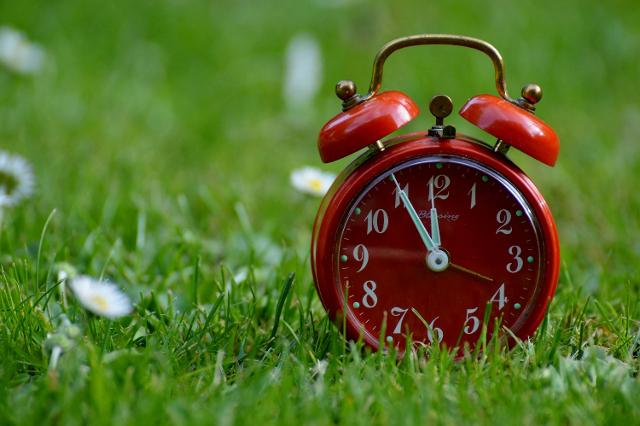
A room can feel more motivating at 7 p.m. than it did at 3 p.m. for one simple reason: light changes the way effort feels.
Get The Latest News!
Don't miss our top stories and need-to-know news everyday in your inbox.
That is part of why longer days often seem more productive. People do not just measure a day by the number of hours on a clock. They also respond to cues from light, routine, energy, and expectation. When there is more daylight, many people feel more alert, more willing to start tasks, and less rushed while doing them. The day seems to offer more space, even though everyone still gets the same twenty-four hours.
Why daylight changes how work feels
Human beings are strongly shaped by light. Bright natural light helps regulate the body’s internal clock, often called the circadian rhythm. This clock affects sleep, alertness, mood, and focus. When people get more exposure to daylight, they often feel more awake during active hours and more ready to engage with work.
This effect is easy to notice in ordinary life. A person may sit down to answer emails while the sun is still up and feel capable. The same task can feel heavier in dim evening light, even if it should be simple. The work itself has not changed. The body’s sense of readiness has.
Natural light also affects perception. Well-lit spaces often feel more open and manageable. Darker spaces can make tasks feel closed in or draining. That is one reason offices with windows are prized, and why people often move closer to daylight when they need to concentrate.
The feeling of “more time” matters
Longer days often create a powerful mental illusion: the sense that there is still time left.
This matters more than it may seem. Productivity is not only about discipline. It is also about whether a person feels pressed or spacious. When daylight lasts longer, the day can seem less likely to slip away. People may think, “I can finish this and still have time for dinner, a walk, or errands.” That reduces the pressure that causes procrastination.
By contrast, when darkness arrives early, many people feel the day is ending even if it is not that late. Once the outside world looks like night, motivation can drop. The brain starts shifting toward rest, even while responsibilities remain.
This helps explain a common experience: someone gets home from work while it is still bright and suddenly feels able to do laundry, cook, answer messages, and plan the next day. If they arrive home in darkness, the same list can feel overwhelming. The tasks are identical. The mental frame is not.
Light can improve mood, and mood supports action
People often treat productivity as a purely practical issue. In reality, mood plays a huge role.
When people feel better, they tend to begin tasks more easily, recover from setbacks faster, and resist distractions more effectively. Daylight is linked to these patterns. For many, more natural light lifts mood and reduces the sluggish feeling that can make even basic chores seem hard.
There is a reason people use phrases like “a bright mood” or “things look dark.” Language reflects experience. Brightness has long been tied to energy, hope, and possibility. Darkness is often linked with closure, uncertainty, or fatigue. These are not just poetic ideas. They often shape how people move through their day.
That does not mean longer days make everyone cheerful or efficient. Some people dislike late-evening brightness or feel no major change at all. But for many, the emotional lift from more light is real enough to influence how much they get done.
Social habits make longer days feel useful
Productivity is not only biological. It is cultural too.
Many daily routines are built around daylight. Shops stay lively. Parks fill up. People are more likely to walk, exercise, meet friends, or run errands when it still feels like daytime. This activity creates momentum. Once people are already up and moving, it is easier to keep going.
Think about a typical evening. If it is still light outside, a person may stop at the store, take the dog out for a longer walk, then come home and prepare food. That active chain often leads to a satisfying sense of having used the day well. If it is already dark, they may go straight indoors and switch into recovery mode.
There are cultural sayings that reflect this link between light and action. “Make hay while the sun shines” is one of the clearest. The phrase comes from farm life, when dry, sunny conditions mattered for cutting and storing hay. Its meaning is now broader: use favorable conditions while they last. Even in modern life, people still act as if daylight is a resource to be used.
The idea has deep roots
Long before electric light, daylight shaped nearly every part of work. Farming, travel, trade, and household labor all depended on the sun. If daylight lasted longer, people could simply do more before stopping. The connection between long days and productivity was direct and obvious.
Electric lighting changed that, but it did not erase older instincts. People can now work, shop, and study after dark, yet many still treat daylight as the “real” working part of the day. Evening light can feel like a bonus. Darkness can feel like a limit.
This old pattern still shows up in modern behavior. People may postpone certain tasks until daylight without realizing why. Cleaning feels easier in a bright room. Exercise feels more inviting outdoors before dark. Even paperwork can seem less annoying when done near a window. These reactions are partly practical and partly inherited from long habits of linking light with action.
Why longer days do not always mean better results
Feeling productive and being productive are not always the same.
Longer days can encourage more activity, but they can also lead people to overestimate how much they are accomplishing. A full day of errands, texts, minor chores, and casual movement can feel satisfying because it is active. Yet important work may still go unfinished.
There is also a downside to stretching the day. If people stay active late into the evening because it still feels like daytime, they may delay rest. Then the next day starts with less energy. Productivity depends on recovery as much as effort.
In other words, longer days can create a useful boost, but they are not magic. Light can open the door to action. It does not decide how a person uses the time.
How to notice this effect in your own life
A simple way to understand why longer days feel productive is to watch your own behavior.
Ask yourself a few questions:
- Do you start tasks more easily in natural light?
- Do you feel less rushed when it is still bright later in the day?
- Are you more likely to run errands, cook, clean, or exercise when daylight remains?
- Does early darkness make you feel that the day is “basically over”?
Many people answer yes to at least some of these. That is a sign that productivity is tied not just to plans, but to environmental cues.
You can also use this knowledge in practical ways. If daylight helps you focus, place demanding work near windows when possible. Take a short walk outside before returning to a difficult task. If late light makes you overextend yourself, set a clear stopping point instead of relying on the sky to tell you when the day should end.
It also helps to separate “energy for action” from “meaningful progress.” On brighter, more active days, choose one important task to complete before filling the rest of the time with smaller jobs. That way the extra momentum leads to real results, not just motion.
What longer days are really giving us
Longer days often feel productive because they change both body and mind at once. More daylight can increase alertness, lift mood, reduce the sense of time pressure, and encourage movement. It can make daily life feel more open and less confined. That combination creates a powerful impression that more is possible.
The clock does not bend. The task list does not shrink on its own. But when light tells the brain that the day is still alive, effort can feel lighter and time can feel more generous. That is often enough to turn an ordinary day into one that feels usefully spent.


