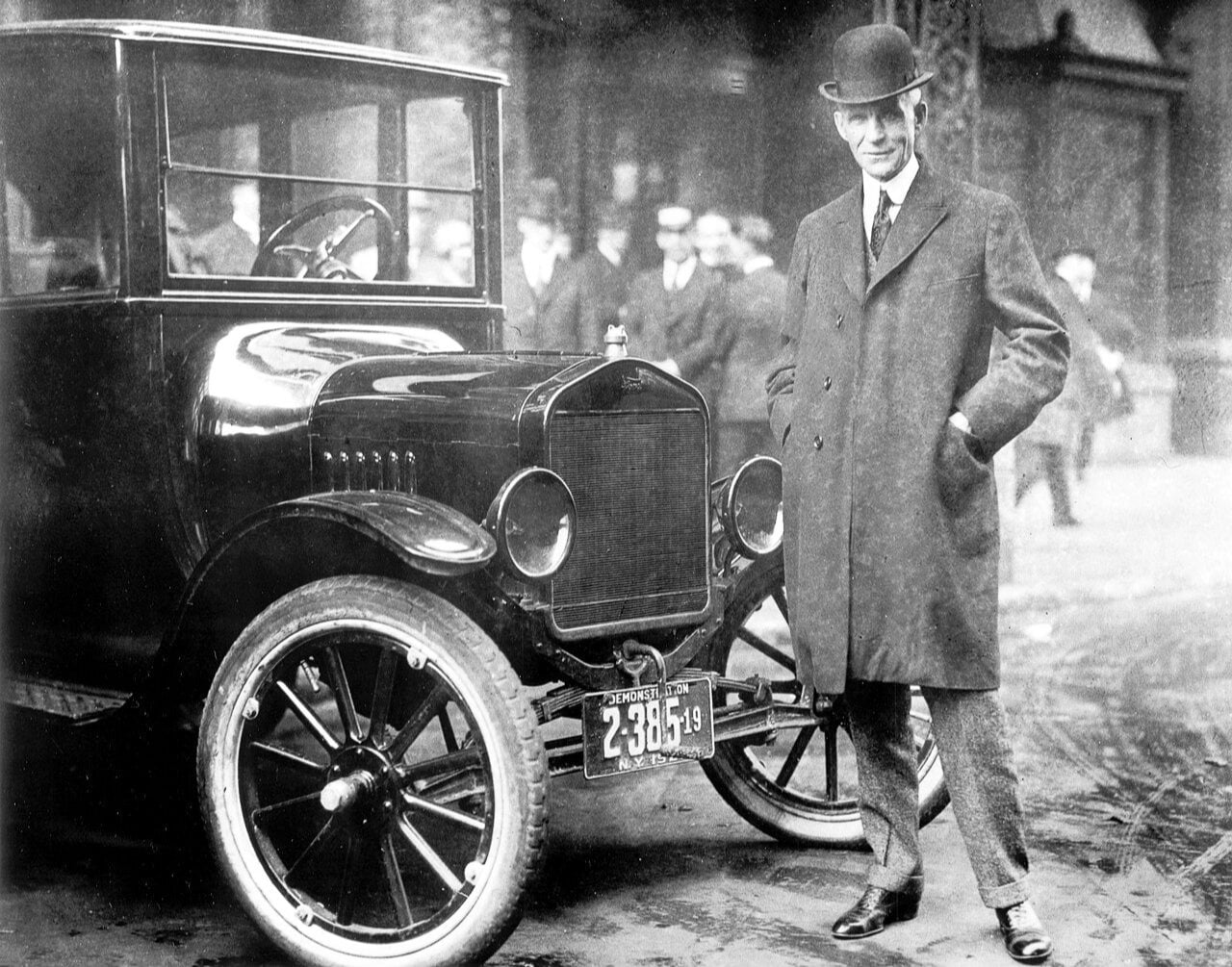
BUZZ MAGAZINE – When Route 66 was created in 1926, it found plenty of traffic. Illinoisans, as elsewhere, were falling in love with the automobile throughout the decade, and highways like Route 66 began to crisscross the state.
Get The Latest News!
Don't miss our top stories and need-to-know news everyday in your inbox.
Route 66 was one of many improvements that revolutionized transportation and economic growth around the state.
After struggling over paths of ankle-deep mud for decades, Illinois residents were ready for a major overhaul of their roads in the early twentieth century. Several Illinois governors in the early twentieth century had advocated hard roads, and the state set several national records for highway construction throughout the decade of the 1920s.
Certainly, the roads had plenty of use, as the automobile was exploding in popularity. In 1919, there were 478,438 licensed automobiles in Illinois, a number that jumped to 1,630,816 a decade later.
There was also a spike in new types of business relating to auto travel. In 1929, Illinois boasted 2,477 new car dealers, 218 used car dealers, and 3,967 filling stations. Businesses that dealt in brakes, batteries, and ignitions were also booming, while roadside food and lodging also sprang up.
While Detroit was the epicenter of American auto manufacturing, Illinois was home to a surprising number of car manufacturers.
At various times from 1899-1928, Moline was home to nine different automakers, most notably the Velie Company, which was run by John Deere’s grandson. Velie enjoyed its best year in 1920, when it produced 9,000 cars.
Many popular models of the time were also produced in Chicago, while there were also auto manufacturing plants in Peoria, Joliet, and Streator.
Other Illinoisans bought their cars from St. Louis, another hub of Midwestern manufacturing. Easy credit ignited the industry, as an estimated 75 percent of automobiles were bought on installment.
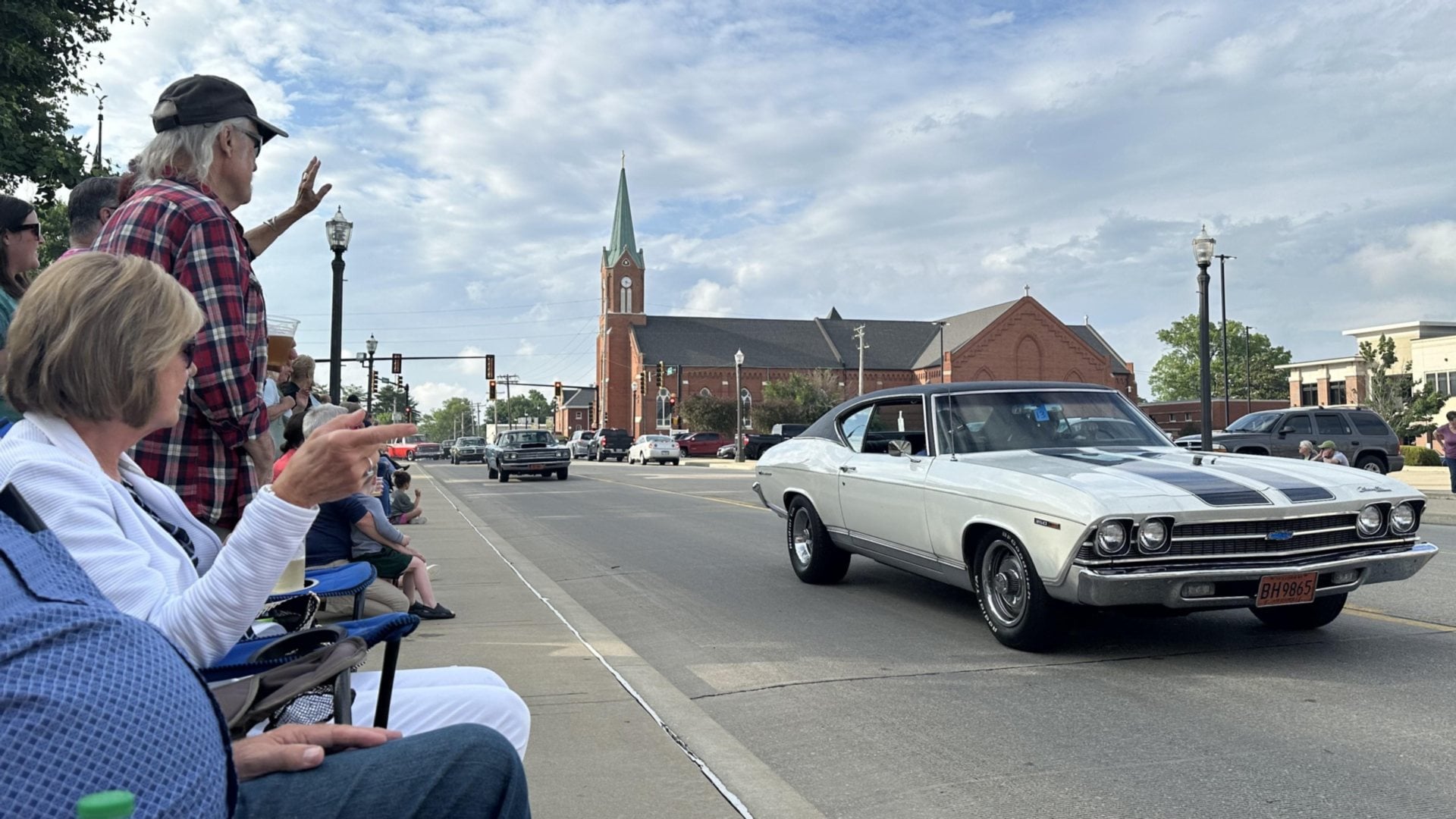
In communities across the nation, including on Route 66, dealers sprang up, offering dozens of makes and models. In cities like Bloomington and Springfield, car buyers could find practically any brand they wanted.
At various locations around Springfield in the late 1920s, dealers offered familiar names like Chevrolet, Oldsmobile, Buick, Cadillac, Chrysler, Dodge, Plymouth, Pontiac, Ford, and Lincoln, as well as models from long ago, such as Auburn, DeSoto, Durant, LaSalle, Marmon, Nash, Packard, Studebaker, Hudson, and Hupmobile.
Some dealers sat right on Route 66 itself. One was the Yates Company, which was located on North Main Street, on Route 66 in Bloomington, where drivers in early 1929 could pick a new Plymouth for $655 - $695, depending on the model.
For those wanting something cheaper, Yates also offered a 1923 Ford Model T touring car for $50, as well as a 1921 Model T touring car for $25.
It was considerably easier to drive on Route 66 in Illinois than elsewhere, as the alignment was derived from State Route 4, which had been paved under the $60 million bond issue of the State Highway System act in 1918.
Though Route 66 was a federal route, building and maintaining existing highways was the responsibility of the states until 1933. Illinois had become the nation’s leader in improved roads in the 1920s, and it was clearly ready for Route 66.
Of the eight states where Route 66 rolls, it is believed that Illinois was the first to have the route completely paved.
By comparison, a 1929 report found that Missouri had paved only 66 percent of its Route 66 mileage, while it was just 25 percent in Oklahoma. That year, the total miles of Route 66 under pavement in Texas, New Mexico, Arizona, and rural southeastern California was just 64.1 miles. The entire length of Route 66 was not completely paved until 1938, twelve years after its commission.
The overall alignment of Route 66 connected many communities with a diagonal design, unlike other early highways, which were more straight.
The rural towns along Route 66, many of which had suffered through a severe downturn in the farm economy in the 1920s, now had increased access to Chicago, the nation’s unquestioned center of agribusiness.
Partly due to this, truck traffic skyrocketed in Illinois in the first decade of Route 66. In 1931, an estimated 1,500 trucks used the route daily in the state. A decade later, that number was 7,500.
While Route 66 harkens to romanticized images of touring the country in open convertibles, the road became a daily part of life for millions, including in Illinois.
Those living on or near the road used it for everyday means, like getting to work, going to school, or driving for routine activity, like grocery shopping. Though not as glamorous as cross-country travel, it was another measure of the economic development that Route 66 brought to the nation’s heartland.
Tom Emery is a freelance writer and historical researcher from Carlinville. He may be reached at 217-710-8392 or ilcivilwar@yahoo.com.
This story originally ran in the June 2026 issue of The Prairie Land Buzz Magazine http://www.thebuzzmonthly.com