On June 1, one of the most far-reaching events in world history took place in 1792, when Kentucky became the 15th state of the United States. At the time, this was more than a local political change. It showed how quickly the young republic was expanding westward across the Appalachian Mountains and how new systems of government were being extended into frontier regions. That expansion shaped trade, settlement, relations with Native peoples, and the future balance of power within the United States. The effects of that process still matter today because westward growth helped define the country’s geography, economy, and political development for generations.
Get The Latest News!
Don't miss our top stories and need-to-know news everyday in your inbox.
The path to Kentucky statehood began long before 1792. Settlers from the eastern colonies had moved into the region in increasing numbers during the late 1700s, even as Native nations fought to defend their lands. Kentucky had first been part of Virginia, but distance and practical concerns made separate statehood seem more workable. When it entered the Union, it became the first state west of the Appalachians. That milestone marked an important stage in the wider history of continental expansion in North America. It also reminds us that growth for one society often came with displacement and conflict for others.
June 1, 1813 brought a turning point in naval warfare during the War of 1812. The USS Chesapeake was captured by HMS Shannon off Boston after a short but fierce battle. The fight was closely watched on both sides of the Atlantic because naval prestige mattered deeply to both Britain and the United States. Britain’s victory restored confidence after earlier American successes at sea, while the United States was reminded of the risks of direct ship-to-ship combat against the Royal Navy. The battle became part of a larger story about national identity, military reputation, and the strategic importance of control over the oceans.
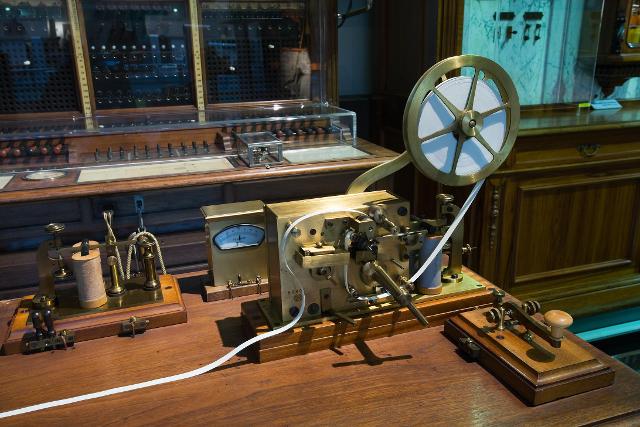
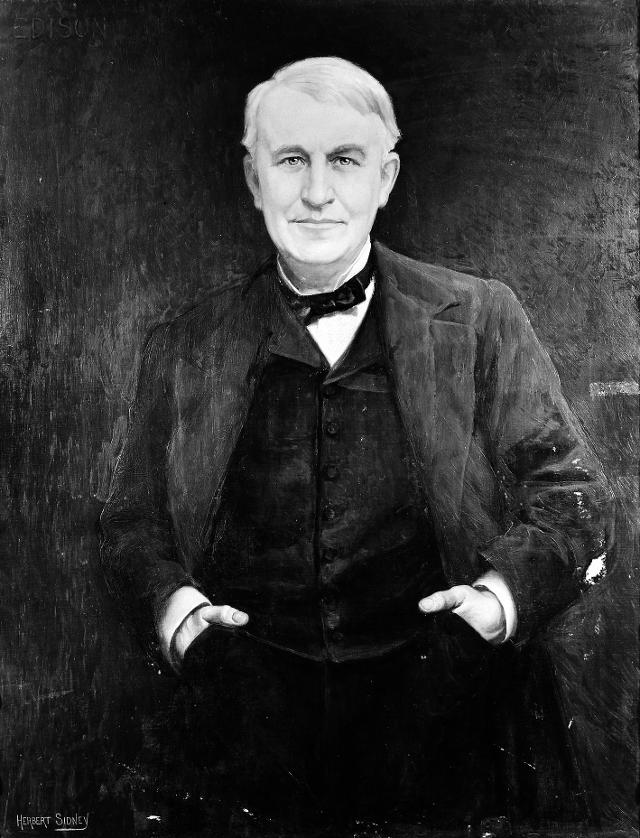
Science and communication history also left a mark on this date. In 1869, Thomas Edison received his first patent for an electric vote recorder. The invention itself did not become a political success because lawmakers preferred slower voting procedures that allowed time for persuasion and negotiation. Even so, the patent marked the formal beginning of Edison’s long career as an inventor. It foreshadowed the role he would later play in electric light, sound recording, and industrial research.
June 1 also carries weight in the history of social change. In 1980, Cable News Network, better known as CNN, began broadcasting in the United States as the first 24-hour television news channel. The idea of continuous news coverage changed journalism and public life across the world. Viewers could now follow events as they developed rather than waiting for a scheduled evening broadcast. Over time, this transformed reporting, politics, and the speed at which information moved. It also helped set the pattern for the round-the-clock news environment that later spread internationally.
Several notable people were born on June 1. Brigham Young, born in 1801, became an important leader in the history of the Latter-day Saint movement. He is remembered for guiding Mormon pioneers westward to the Salt Lake Valley and helping establish a lasting settlement in the American West. His influence was religious, political, and social, especially in the development of Utah.
Marilyn Monroe, born in 1926, became one of the most recognized figures in film and popular culture. Her screen presence made her an international star, while her career also reflected the workings of the Hollywood studio system in the mid-twentieth century. She is remembered both for performances in films such as Some Like It Hot and for her lasting place in the history of celebrity and media.
Morgan Freeman, born in 1937, built a long and respected acting career across film, television, and narration. Known for his distinctive voice and steady screen presence, he became one of the most familiar actors of his generation. His body of work has given him a broad cultural impact that reaches beyond any single role.
Among notable deaths, the death of Helen Keller in 1968 stands out. Keller became one of the best-known disability advocates in modern history. Deaf and blind from early childhood, she achieved international recognition through her writing, public speaking, and work for education and social reform. Her life showed how access to communication and support could open paths that many had once thought impossible.
June 1 also marks the death of King Birendra of Nepal in 2001, who was killed in the royal palace massacre. His death was part of a deeply shocking event in Nepalese history that destabilized the monarchy and contributed to major political change in the years that followed. For many in Nepal, the event marked the end of one era and the beginning of another.
Looking across this date, a common thread appears: June 1 has often been a day shaped by beginnings, transitions, and turning points.