Memorial Day was not originally about barbecues, mattress sales, or the “start of summer.” It began as a day for the dead.
Get The Latest News!
Don't miss our top stories and need-to-know news everyday in your inbox.
That difference matters. For many Americans, Memorial Day is familiar but blurry. People know it is a federal holiday. They may know it honors members of the military. But the deeper story is often lost behind long weekends and store promotions. The holiday grew out of grief on a massive scale after the Civil War, and over time it became a national day of remembrance for Americans who died in military service. Knowing where it came from makes the day feel less like a routine holiday and more like a shared act of memory.
A holiday born from loss
Memorial Day’s roots reach back to the years after the Civil War, the deadliest conflict in American history. More than 600,000 soldiers died, and communities across the country were left with fresh graves, broken families, and a need to mourn together.
In many places, people began holding springtime tributes for fallen soldiers. They cleaned graves, placed flowers on them, and gathered for prayers or speeches. This practice became known as “Decoration Day” because graves were decorated with flowers, wreaths, and flags.
That name tells you a lot. The day was not first centered on celebration. It was centered on care. Families and neighbors physically tended the resting places of the dead. It was a public expression of private sorrow.
Several towns have claimed to be the birthplace of Memorial Day. That confusion is part of the story. The custom did not appear in just one neat moment. Similar observances happened in different places, often independently. People who had endured war were trying to make sense of loss, and many communities came to similar rituals.
The Civil War connection
One of the best-known early events took place in Charleston, South Carolina, in 1865. After the war, formerly enslaved Black Americans organized a tribute for Union soldiers who had died in a Confederate prison camp. They reburied the dead properly, built a fence around the cemetery, and held a procession with songs, flowers, and prayers.
That event is not the full origin of Memorial Day, but it is an important part of the holiday’s early history. It shows that remembrance was tied not only to mourning, but also to freedom, citizenship, and national meaning.
Another key moment came in 1868, when General John A. Logan, leader of a Union veterans’ group called the Grand Army of the Republic, called for a nationwide Decoration Day on May 30. The purpose was to decorate the graves of soldiers who died in the Civil War. The date was chosen in part because it was not linked to the anniversary of a particular battle.
The first large national observance under Logan’s order took place at Arlington National Cemetery. There, graves of Union and Confederate dead became part of a larger act of remembrance. That detail mattered. Even after a bitter war, the holiday slowly moved toward a broader national purpose.
From Decoration Day to Memorial Day
For many years, Decoration Day mainly honored Civil War soldiers. After World War I, the meaning expanded. Americans began using the day to remember military personnel who died in all wars, not just the Civil War.
The name “Memorial Day” became more common in the 20th century, though “Decoration Day” remained in use for a long time. In 1971, Memorial Day was officially recognized as a federal holiday and set on the last Monday in May under the Uniform Monday Holiday Act.
That change gave workers a three-day weekend, which made travel and family gatherings easier. But it also helped shift the public feeling of the holiday. A day rooted in graveside remembrance became, for many, a mix of solemn tribute and ordinary leisure.
This split still shapes how Americans experience Memorial Day. Some attend cemetery ceremonies or watch military parades. Others head to the lake, visit relatives, or shop sales. Neither fact erases the other, but the original purpose can be easy to miss if no one explains it.
What Memorial Day honors — and what it does not
A common misunderstanding is that Memorial Day honors all who have served in the military. It does honor service, but more specifically, it is for those who died while serving in the U.S. armed forces.
That is what makes it different from Veterans Day. Veterans Day honors all military veterans, living and dead. Armed Forces Day recognizes those currently serving. Memorial Day is focused on the fallen.
This distinction matters because the holiday carries a different emotional weight. It is not simply a thank-you day. It is a remembrance day.
You can hear this difference in the language people use. Phrases like “gave the ultimate sacrifice” or “laid down their lives” are often associated with Memorial Day. These expressions point to death in service, not service in general.
Traditions that still carry the original meaning
Some Memorial Day traditions are easy to overlook because they seem so familiar. But many go straight back to the holiday’s origins.
Placing flowers on graves remains one of the most direct links to Decoration Day. At national cemeteries, local graveyards, and small family burial sites, people still leave flowers and flags. Volunteers often place small American flags at each headstone before the holiday.
The National Moment of Remembrance, established by Congress in 2000, asks Americans to pause for one minute at 3:00 p.m. local time. It is a simple act, but it reflects the original purpose of the day: to stop, remember, and honor the dead.
Parades are also common, especially in small towns. These events may include veterans’ groups, marching bands, scouts, and local officials. Even when they feel festive, they often include moments of silence, memorial wreaths, or the playing of “Taps.”
“Taps” itself is one of the sounds most closely tied to military mourning in the United States. Its brief, haunting melody is often played at funerals and remembrance ceremonies. Hearing it on Memorial Day can turn an abstract holiday into something deeply personal.
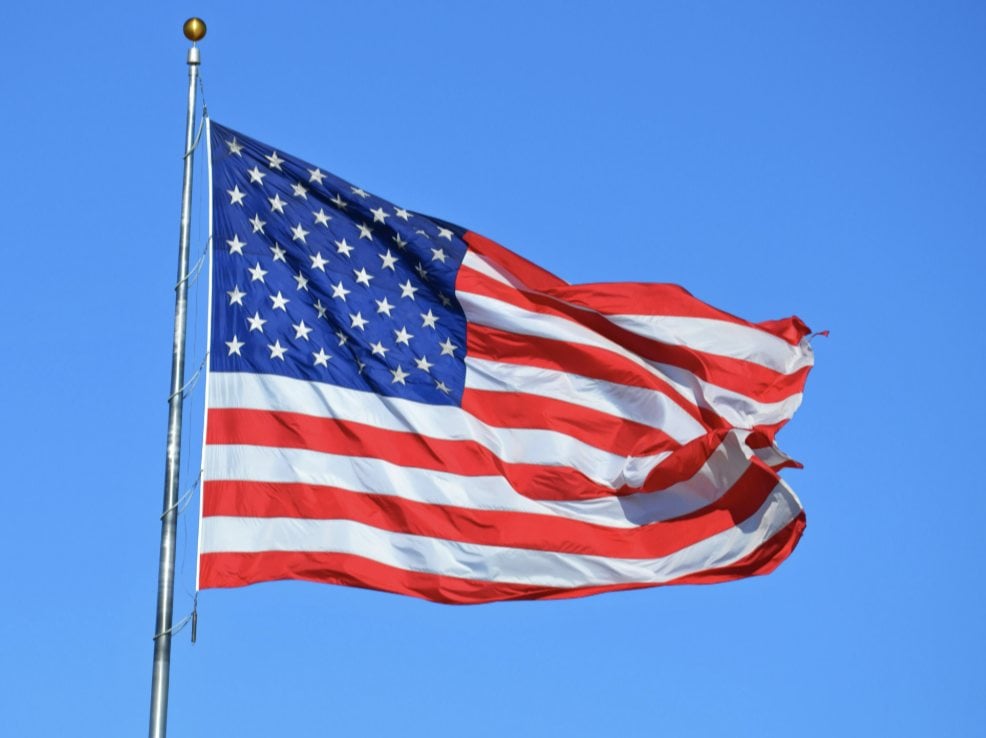
Another visible tradition is the lowering of the U.S. flag to half-staff until noon, then raising it to full-staff for the rest of the day. The first half of the day honors the dead. The raising of the flag symbolizes the living nation carrying on.
How the holiday shows up in everyday life
Even people who do not attend formal ceremonies often encounter Memorial Day in small ways. A flag appears on a neighbor’s porch. A school concert includes patriotic songs. A family mentions a grandparent who never came home from war. A local cemetery suddenly has rows of fresh flowers and flags.
These moments are reminders that Memorial Day is not only national. It is local and personal. Nearly every town has names carved into stone monuments, plaques, or cemetery markers. Those names connect major wars to ordinary communities.
For example, a person might pass a memorial in front of a courthouse for years without reading it closely. On Memorial Day, that same monument may have wreaths or flags, making its meaning harder to ignore. The holiday invites people to notice what is already around them.
It also asks a quieter question: who is being remembered, and by whom? For military families, the day can bring pride, grief, and loneliness all at once. For others, it may be a chance to learn a family story that was rarely discussed.
Ways to observe Memorial Day with more meaning
You do not need a formal ceremony to mark Memorial Day thoughtfully. Small actions can bring the day closer to its purpose.
Visit a local cemetery or war memorial. Read the names. Notice the dates. Seeing how young many service members were can make history feel real in a way textbooks often do not.
Take part in the National Moment of Remembrance. One quiet minute can reset the tone of the day.
Learn about someone from your community who died in military service. Many towns, schools, and libraries keep records or memorial lists. A single story often says more than a long speech.
If you attend a cookout or family gathering, mention why the holiday exists. This does not need to be heavy or dramatic. Even a simple sentence can keep the meaning alive.
Parents can also use Memorial Day to explain an important difference to children: remembering sacrifice is not the same as glorifying war. The holiday honors loss, courage, and duty. It does not require pretending war is simple or noble in every case.
Memorial Day has changed over time, as all public holidays do. Yet its core idea remains steady: a nation should not forget those who died in its service. Beneath the sales, traffic, and long weekend plans is an older tradition of flowers, names, silence, and memory. When people pause to see that clearly, Memorial Day becomes more than a date on the calendar. It becomes an act of respect.