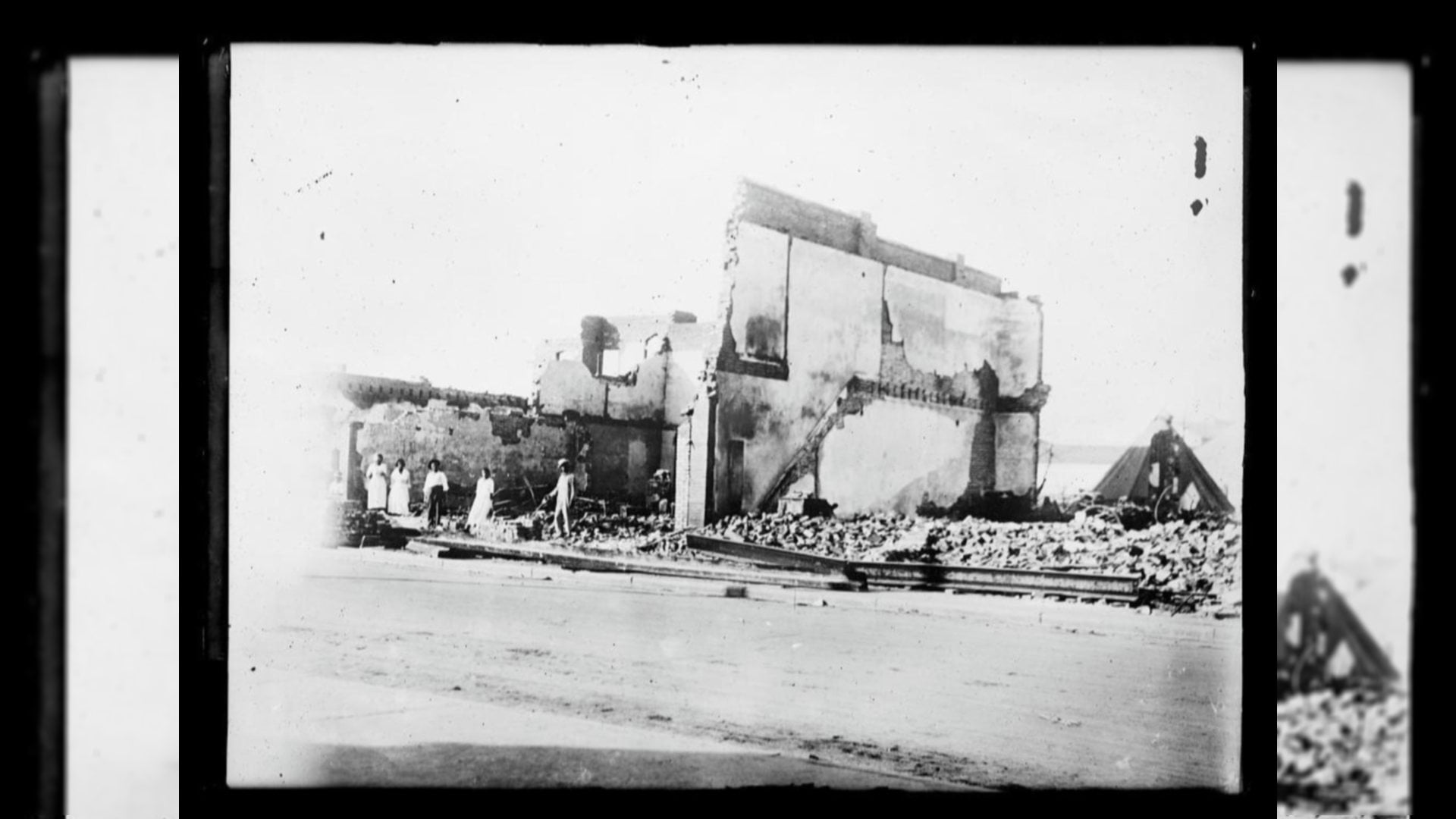
On May 22, one of the most consequential events in modern world history is the 1960 earthquake in Chile, the strongest ever instrumentally recorded. Known as the Great Chilean Earthquake, it measured 9.5 in magnitude and struck near Valdivia, causing widespread destruction across southern Chile. Entire communities were damaged or swept away, thousands of people were killed or injured, and the disaster triggered tsunamis that crossed the Pacific and caused deaths as far away as Hawaii, Japan, and the Philippines. At the time, the quake mattered because it overwhelmed local resources and showed how a disaster in one region could quickly become an international emergency. It still matters today because it reshaped scientific understanding of earthquakes, influenced tsunami warning systems, and remains a central example of how deeply natural forces can affect human life across borders.
Get The Latest News!
Don't miss our top stories and need-to-know news everyday in your inbox.
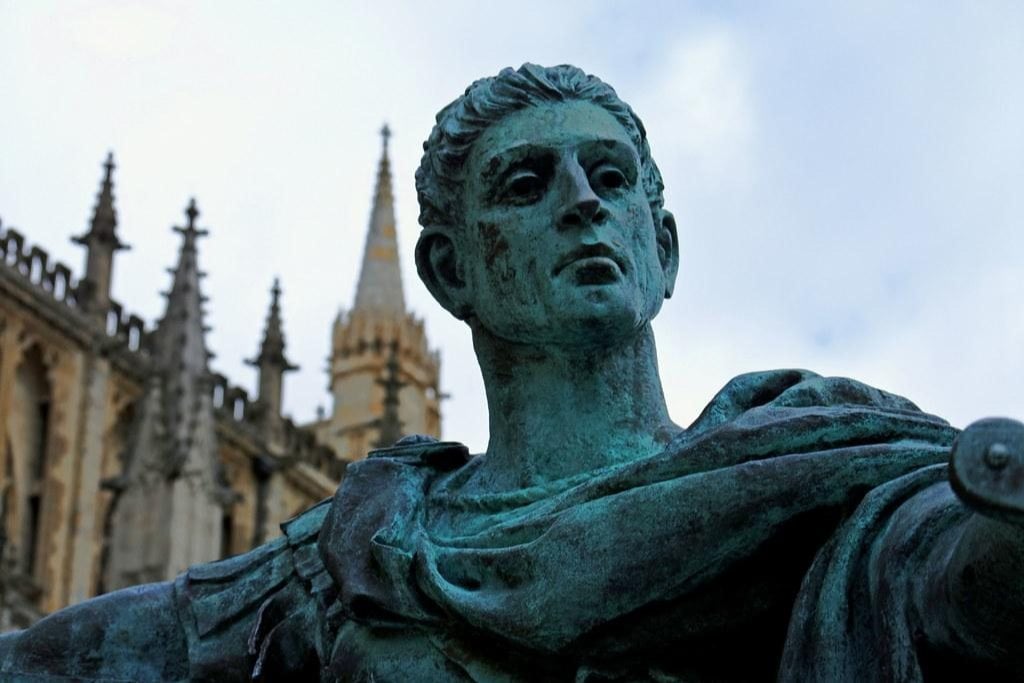
Long before that disaster, May 22 had already become linked with major turning points. In 337, the Roman emperor Constantine the Great died, closing the life of a ruler who had transformed the empire. He is remembered for consolidating power after a period of civil conflict, establishing Constantinople as a major imperial center, and supporting Christianity in ways that changed the religious direction of Europe and the Mediterranean world. His death did not end his influence; the political and religious structures tied to his reign continued to shape late antiquity for centuries.
Several centuries later, in 1455, the Wars of the Roses began in England with the First Battle of St Albans. This conflict between rival branches of the royal House of Plantagenet, commonly known as Lancaster and York, grew from disputes over succession, weak kingship, and the power of noble families. The fighting at St Albans was relatively small in scale compared with later battles, but it marked the start of a long and unstable struggle for the English throne. The conflict helped weaken parts of the medieval political order and eventually cleared the way for the Tudor dynasty.
A different kind of upheaval unfolded in South Asia in 1857 when rebel soldiers in India captured Delhi during the uprising against the British East India Company. The rebellion had many causes: military grievances, fears about cultural and religious interference, and wider resentment of company rule. Delhi became a symbolic center because the aging Mughal emperor Bahadur Shah II was drawn into the revolt. Although the uprising was eventually suppressed, it led to a major shift in governance. Company rule ended, and the British Crown took direct control of India. The events of 1857 had lasting effects on colonial policy, Indian society, and later independence movements.
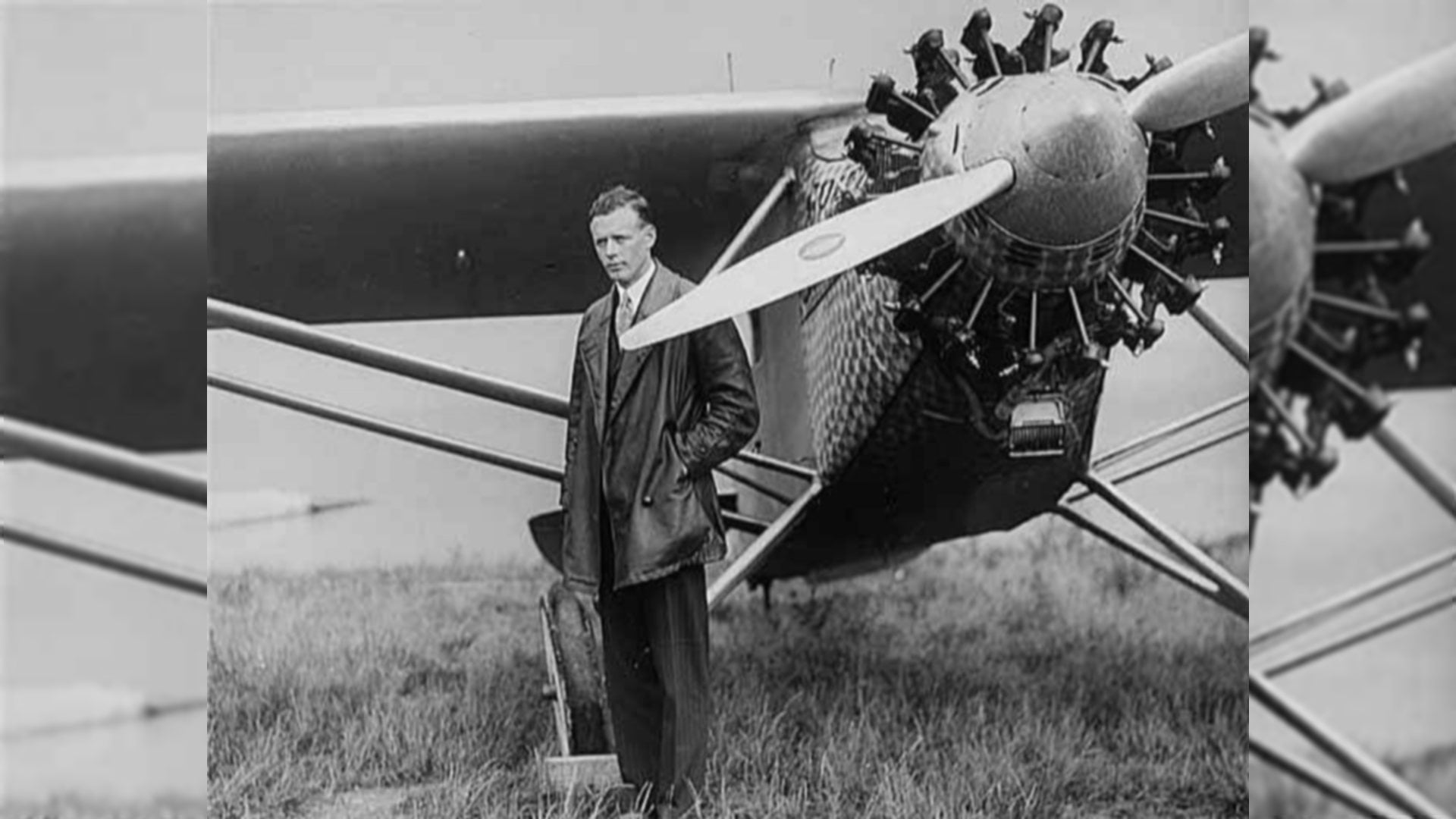
By the early twentieth century, May 22 was associated with a landmark in powered transportation. In 1906, the Wright brothers received a U.S. patent for their flying machine. Their work did not create aviation by itself, but it helped secure recognition for a practical system of controlled flight. That achievement mattered not only because humans could now fly with greater reliability, but because aviation soon altered war, trade, travel, communication, and the physical sense of distance around the world. The aircraft industry that followed became one of the defining technological developments of the modern age.
Culture and media also saw an important beginning on this date. In 1939, Germany and Italy signed the Pact of Steel, a military and political alliance that formalized the close relationship between Adolf Hitler and Benito Mussolini. Signed only months before the outbreak of the Second World War, it showed how Europe’s diplomatic balance had already been badly damaged. The agreement committed both states to mutual support and became one piece of the larger alliance structure that shaped the war. Understanding this pact helps explain how regional authoritarian partnerships fed into a much wider global conflict.
Then came the 1960 Chile earthquake, whose effects extended far beyond South America. In addition to the immediate devastation on land, the event drew attention to the behavior of subduction zones, where one tectonic plate moves beneath another. Scientific study of the quake contributed to stronger evidence for plate tectonics, a theory that would become foundational in earth science. Governments around the Pacific also took the threat of tsunami forecasting more seriously. In this way, a human tragedy led to advances in both scientific knowledge and international preparedness.

Only a few years later, on May 22, 1967, Egypt closed the Straits of Tiran to Israeli shipping. That move came during a period of rising regional tension involving troop movements, mutual suspicion, and competing security concerns in the Middle East. The closure was significant because Israel had previously treated access through the straits as vital. The decision was one of the immediate steps that led to the Six-Day War in June 1967. It is still remembered as part of a chain of actions showing how quickly diplomatic crises can turn into open conflict.
This date also marks the 1972 landing of Ceylon’s republican constitution, by which the country officially became Sri Lanka. It was a major step in national political development after independence from British rule. The constitution replaced the colonial-era dominion framework and asserted a new republican identity. Its adoption is important in understanding post-colonial state-building in Asia and the continuing effort of newly independent countries to define their institutions on their own terms.
Among notable births on May 22, one of the most influential is Sir Arthur Conan Doyle, born in 1859 in Scotland. He was a physician and writer, but he is chiefly remembered as the creator of Sherlock Holmes. Through Holmes and Dr. Watson, Conan Doyle helped shape the modern detective story. His work influenced crime fiction, popular storytelling, and later film, television, and radio adaptations around the world.
Another major figure born on this date was Richard Wagner in 1813. The German composer is remembered for large-scale operas such as The Ring cycle and for his strong influence on nineteenth-century music. His use of recurring musical themes and expanded orchestration changed the possibilities of opera and left a lasting mark on European classical music.
May 22 marks the birth of Charles Aznavour in 1924, a singer and songwriter and important as a cultural figure whose career connected France, Armenia, and the wider world. His songs reached international audiences over many decades, and his work became part of the story of twentieth-century popular music and identity in the diaspora.
Laurence Olivier, born in 1907, stands out in theater and film. The English actor and director became one of the most respected performers of his era, especially for Shakespearean roles. His stage and screen work helped bring classical drama to broader audiences and influenced acting in Britain and beyond.
This date also marks the birth of Hergé in 1907, the Belgian cartoonist best known for creating The Adventures of Tintin. His comics became internationally popular and helped define the visual style of European comics in the twentieth century. Tintin’s influence reached readers across languages and continents, making Hergé a major figure in modern illustrated storytelling.
Among notable deaths, Victor Hugo died on May 22, 1885. The French writer, poet, and public figure is remembered for works such as Les Misérables and The Hunchback of Notre-Dame. His writing addressed justice, poverty, power, and human dignity, and it remained important long after his lifetime. Hugo’s death was widely mourned in France, reflecting the scale of his literary and civic influence.
Langston Hughes, who died on this date in 1967, was one of the central voices of the Harlem Renaissance. His poetry, plays, and essays gave lasting expression to African American life, art, and aspiration in the United States. Hughes mattered not only as a writer, but as a cultural figure who helped shape twentieth-century literature and broaden the range of voices heard in it.
Taken together, the events of May 22 show how one calendar day can hold moments of destruction, invention, conflict, creativity, and change.