On May 6, 1954, a simple but powerful message traveled between two computers, helping to prove that machines could “talk” to each other over a shared network. That day, researchers successfully demonstrated packet switching in a way that pointed toward a new kind of communication system—one built to move information efficiently, even when lines were busy or parts of the network failed. At the time, this mattered because governments, universities, and laboratories were looking for more reliable ways to share data and computing power. It still matters today because packet switching became a core principle behind modern digital networks, including the internet, shaping how emails, web pages, video calls, and streaming services move around the world.
Get The Latest News!
Don't miss our top stories and need-to-know news everyday in your inbox.
From there, May 6 keeps unfolding as a date where political choices, scientific milestones, and cultural moments have left long shadows. Some events changed borders and governments; others changed how people learn, create, compete, and connect.
In 1527, the Sack of Rome began when troops loyal to Holy Roman Emperor Charles V entered the city, overwhelming its defenses. The attack was driven by a mix of unpaid soldiers, political rivalries, and the broader conflict between major European powers. Rome was not only a political center but also a symbol of religious authority and Renaissance culture, so the shock traveled far beyond Italy. The episode weakened the Pope’s position in European politics for years and became a turning point in the balance of power on the continent, reminding rulers that even the most famous cities could be vulnerable when alliances broke down and armies went unpaid.
A different kind of turning point came in 1682, when King Louis XIV of France moved his court to the Palace of Versailles. The palace was already impressive, but making it the center of government was a deliberate choice. By drawing nobles into a world of ceremony and competition for royal favor, Louis tightened control over the aristocracy and strengthened the idea of centralized monarchy. Versailles later became a model—admired, imitated, and criticized—for how architecture, ritual, and politics can work together to project authority. It also shaped French history in the long run, since the gap between court life and ordinary life became part of the story that later fueled political unrest.
In 1840, the United Kingdom issued the Penny Black, widely recognized as the first adhesive postage stamp used in a national postal system. Before this, mailing a letter could be expensive and complicated, often paid by the recipient. The stamp helped standardize prepayment and made sending mail more accessible. Over time, cheaper, more reliable postal service supported business, personal communication, and the spread of news. It is easy to overlook now, but the ability to send a letter quickly and affordably was a major step toward the connected societies that emerged in the modern era.
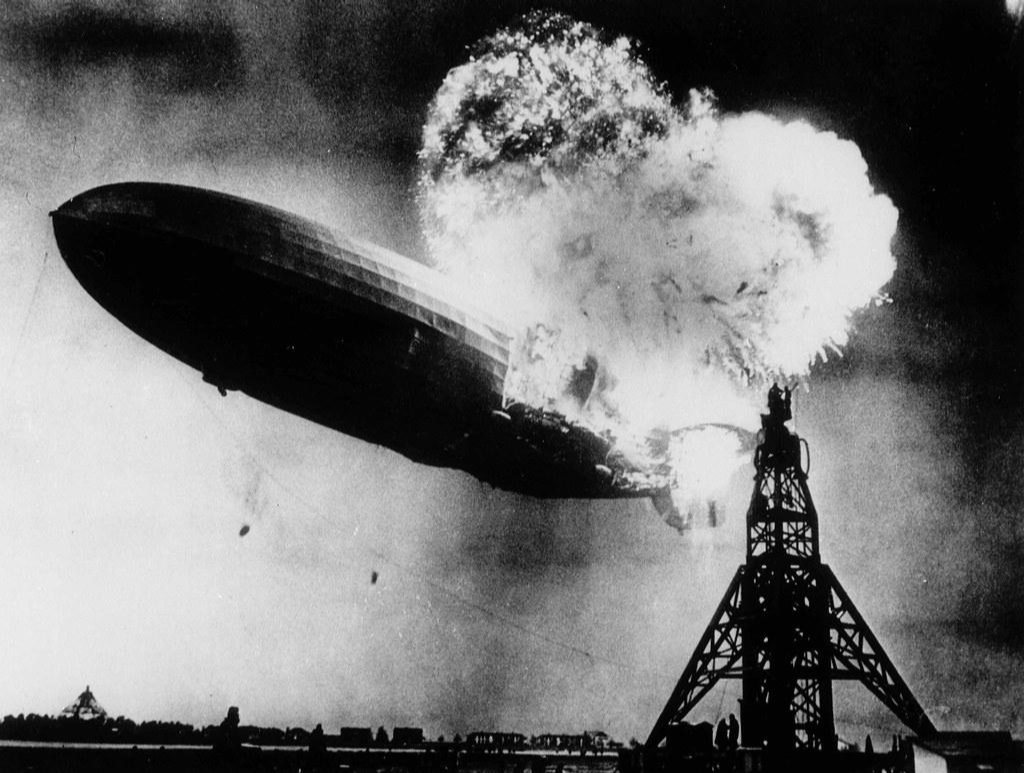
The date also carries a grim reminder of how quickly war can rewrite daily life. On May 6, 1937, the German airship Hindenburg caught fire while attempting to dock in Lakehurst, New Jersey, killing 36 people. Airships had been promoted as a glamorous future for long-distance travel, and the disaster was witnessed and reported widely, including through famous radio coverage. Investigations debated causes, but the public impact was clear: confidence in passenger airships collapsed. The tragedy helped push aviation development toward heavier-than-air planes, which soon became the dominant form of air travel.
World War II brought another major event to May 6. In 1940, British forces carried out the first major commando raid of the war, attacking German positions in the Netherlands (often referred to as the raid on Walcheren). The operation was limited in scale, but it mattered because it tested new ideas about small, fast units striking specific targets. Those ideas later influenced special operations forces and military planning in multiple countries. It also reflected a broader wartime pattern: when conventional strategies faltered, militaries looked for flexible tactics that could disrupt an enemy’s plans.
By 1954, the focus of global change was not only military or political. On May 6, as packet-switching concepts were being proven in practical demonstrations, the groundwork was being laid for networked computing. The long-term outcome was not immediate mass adoption, but a steady shift in how institutions shared information. Decades later, those same principles would support everything from global finance to online education, showing how technical ideas can reshape everyday life once they become reliable and affordable.
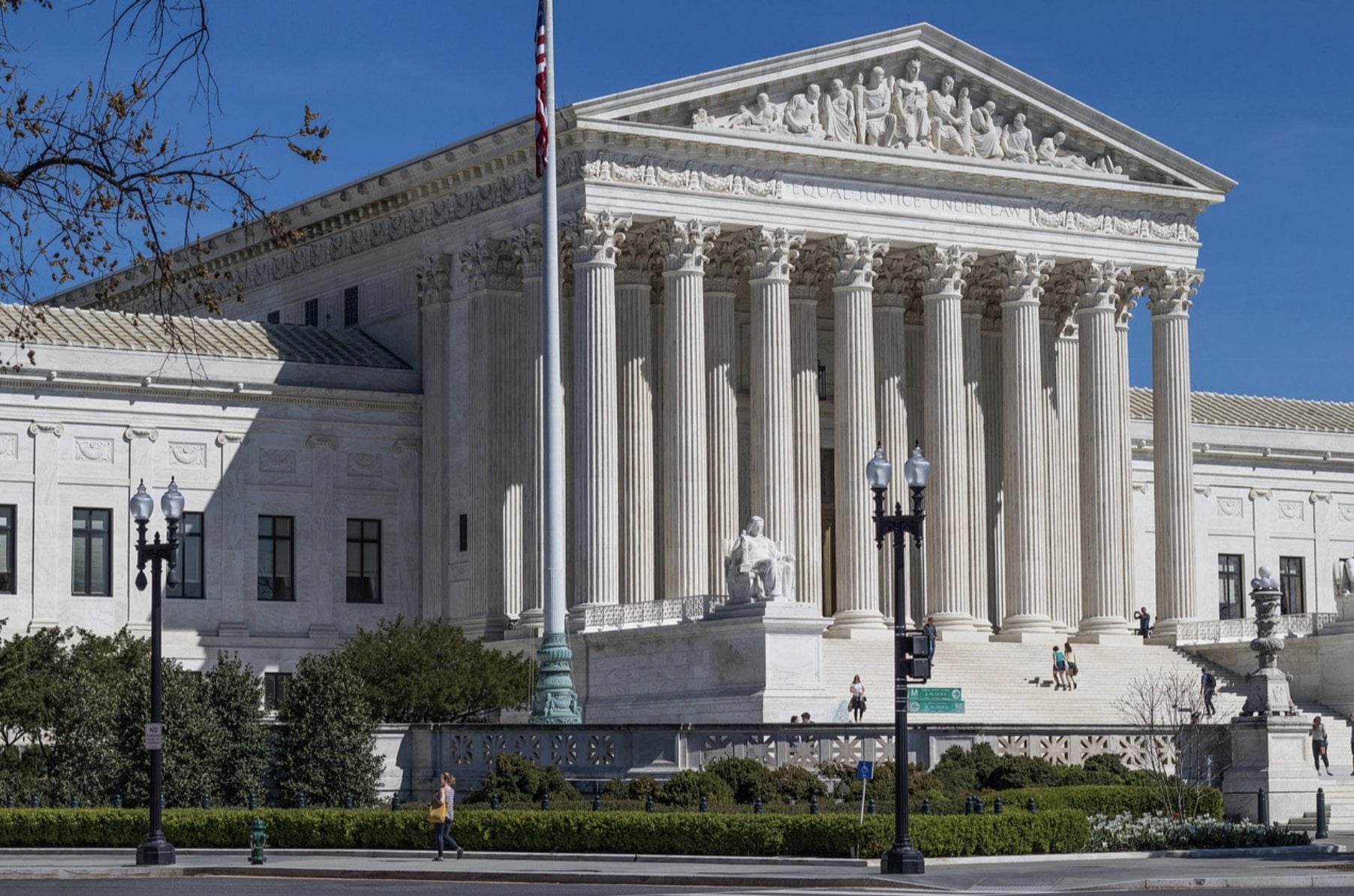
May 6 is also linked to one of the most important legal decisions in the history of education and civil rights in the United States. On May 6, 1954, the U.S. Supreme Court heard arguments in what became part of the Brown v. Board of Education case, which would be decided later that month. The arguments were one step in a longer process, but they mattered because they brought the realities of segregated schooling into direct national focus. The eventual ruling declared legally mandated school segregation unconstitutional, influencing later civil rights efforts and debates about equal access to public institutions. Even outside the U.S., the case became a widely discussed example of how courts can be used to challenge entrenched social systems.
In 1994, the Channel Tunnel—often called the Chunnel—officially opened, linking the United Kingdom and France beneath the English Channel. The project was the result of decades of planning, engineering advances, and political negotiation. Its significance was practical and symbolic at once: it changed trade and travel patterns in Western Europe and demonstrated what large-scale international infrastructure can achieve when funding, technology, and diplomacy align. The tunnel continues to shape how people and goods move between the British Isles and the European mainland.
Not all May 6 milestones are about governments or engineering. In 2007, Nicolas Sarkozy won France’s presidential election, reflecting shifting public priorities around economic policy, national identity, and France’s role in Europe and the world. Elections rarely change everything overnight, but they often reveal what a society is debating at a given moment. Sarkozy’s presidency became part of a longer story about how France navigated globalization, domestic reform pressures, and international partnerships in the early 21st century.
Several notable people were born on May 6, each leaving a mark in a different field. Sigmund Freud (born 1856) became one of the most influential figures in the history of psychology and cultural thought. While many of his specific theories have been debated and revised, his broader impact is clear: he helped popularize the idea that unconscious processes can shape behavior, and he changed how people talk about memory, trauma, and personality.
Orson Welles (born 1915) is remembered as a pioneering filmmaker, actor, and storyteller. His work—especially in cinema and radio—showed how editing, sound, and narrative structure could be used in daring ways. Even for people who have never seen his most famous films, the techniques he helped develop became part of the language of modern media.
Willie Mays (born 1931) stands as one of baseball’s most celebrated all-around players. Known for his hitting, fielding, and athleticism, he became a symbol of excellence in American sports and a key figure in the integration-era history of Major League Baseball. His career is often used to illustrate how talent and opportunity can reshape a sport’s identity and public image.
On May 6, history also records the passing of people whose work shaped politics and culture. Marlene Dietrich (died 1992) left behind a legacy as a film star and singer whose career crossed languages and borders. She became known not only for her performances but also for her carefully crafted public image, which influenced fashion, celebrity culture, and the idea of the international movie star in the 20th century.
Taken together, May 6 offers a compact view of how human history moves on many tracks at once.