
Health care providers will tell you your body functions as a whole. If you have heart issues, for example, other body parts can be impacted.


That’s evident in our mouth, where poor oral health has been linked to an increased risk of heart disease and diabetes. Now, here’s another connection to add to your oral health checklist: issues with your teeth and gums could be a sign of osteoporosis. That’s a condition that weakens the bones and puts them at greater risk of breaking. It could mean serious consequences if, for example, you fall and break a bone.

Get The Latest News!

Don't miss our top stories and need-to-know news everyday in your inbox.

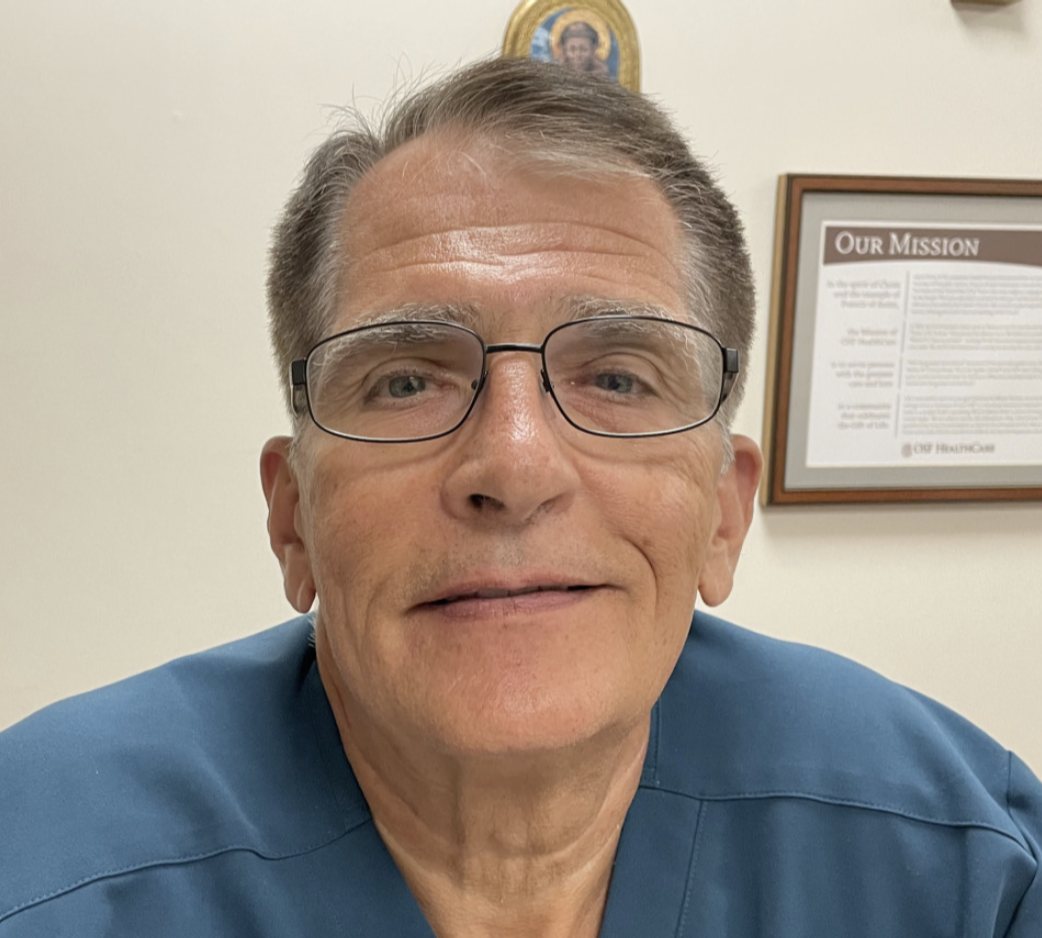
“This is something that’s missing in oral health education,” says Kent Splaingard, DMD, a dentist who sees patients at OSF HealthCare in Alton, Illinois, through a collaboration with Lewis and Clark Community College.

Article continues after sponsor message

“Breakdown in bone structures in the oral cavity, the loss of teeth and the loss of the supporting structures – it’s irreversible. It’s a bone degenerative disease,” Dr. Splaingard says.

Signs and symptoms

So what should we watch for as possible signs of poor bone health?

  • Teeth issues, such as cavities and discoloration. Loose teeth (not baby teeth that are intended to come out) are also a red flag.
  • Gum issues, such as redness, bleeding or swollen or sore gums.
  • Chewing and swallowing issues, whether from pain or a diagnosed disorder.
  • Chemotherapy can also negatively impact oral health, Dr. Splaingard says. So if you’re going through cancer treatment, keep a close eye for changes in your mouth.
  • And while we can’t control our age or gender, Dr. Splaingard says to be aware: poor oral health and the poor bone health that could come with it are more common as you age. He adds that women who have reached menopause are especially at risk.

Prevention

Having good oral health is no secret. Think back to what your parents told you as kids.

  • Brush and floss regularly. The American Dental Association recommends brushing twice per day and flossing once per day. If you have questions about frequency, talk to your dentist.
  • See a dentist regularly. Twice per year is a good starting point, but some people who need extra attention could go four times per year.
  • In between those appointments, watch your teeth and gums and let your dentist know if something doesn’t seem right.
  • Avoid smoking.
  • Eat a healthy diet that’s low in cavity-causing sugar and high in beneficial things like calcium.

    “Calcium and vitamin D deficiencies can affect calcium balance in the bones,” Dr. Splaingard adds

  • And if you are diagnosed with osteoporosis, follow the medication plan outlined by your health care provider.
Prefer RiverBender on Google
Copyright 2026 Riverbender.com. All rights reserved. This material may not be published, broadcast, rewritten, or redistributed.


More like this:

From Teens to Menopause: Dairy’s Role in Women’s Health
May 17, 2026
Understanding Food Noise and Its Impact on Eating Habits
Apr 23, 2026
Durbin Introduces Legislation To Bolster Public Health Efforts To Improve Dental Health
Mar 8, 2026
Podiatrist Explains Safe Ways to Remove Foot Calluses
6 days ago
OSF St. Anthony's Offers Free Mental Health First Aid Training Classes
Today