
Did you know that the average person consumes nearly 9 pounds of chocolate each year? This seemingly simple indulgence has a rich history and cultural significance that spans continents and centuries. International Chocolate Day, celebrated on September 13th, offers a perfect opportunity to delve into the fascinating world of chocolate beyond its sweet taste. From its ancient origins to contemporary culinary innovations, chocolate continues to captivate and inspire. This article explores the origins and significance of International Chocolate Day, highlights unique recipes that elevate chocolate’s versatility, and provides practical tips for incorporating this beloved ingredient into everyday cooking.
The Origins and Significance of International Chocolate Day
International Chocolate Day is more than just a celebration of a popular treat; it honors the legacy of chocolate’s discovery and its cultural impact worldwide. The date commemorates the birthday of Milton S. Hershey, founder of the Hershey Chocolate Company, one of the pioneers in making chocolate widely accessible. However, chocolate’s story begins thousands of years earlier with the ancient Mesoamerican civilizations.
Get The Latest News!
Don't miss our top stories and need-to-know news everyday in your inbox.
The Mayans and Aztecs revered cacao as a sacred plant, using it in rituals and as currency. Their preparation of chocolate was quite different from today’s sweet bars—it was a bitter, frothy drink often spiced with chili or vanilla. The arrival of Europeans in the Americas introduced sugar and milk, transforming chocolate into the creamy confection familiar to modern palates.
Today, International Chocolate Day serves as a reminder of this rich history and encourages people to explore the diverse forms and flavors of chocolate. It also promotes ethical consumption by raising awareness about fair trade practices and sustainable cacao farming, critical issues given the environmental and social challenges facing the chocolate industry.
Unique Chocolate Recipes from Around the World
Chocolate’s versatility is evident in the myriad ways it is enjoyed globally. Beyond the standard chocolate bar, many cultures have developed unique recipes that showcase chocolate’s adaptability.

1. Mexican Mole Sauce
Mole is a traditional Mexican sauce that combines chocolate with spices, chili peppers, nuts, and seeds to create a complex, savory flavor profile. Often served over poultry, mole highlights chocolate’s role beyond dessert. The bittersweet depth of chocolate balances the heat and earthiness of the other ingredients, resulting in a harmonious dish that is deeply rooted in Mexican culinary heritage.
2. Italian Bicerin
Originating from Turin, Italy, Bicerin is a layered drink of espresso, hot chocolate, and whipped cream. It’s an elegant yet simple way to enjoy chocolate’s richness combined with the robustness of coffee. The layers remain distinct, providing a visual and sensory treat that has been savored since the 18th century.
3. Ghanaian Chocolate Pancakes
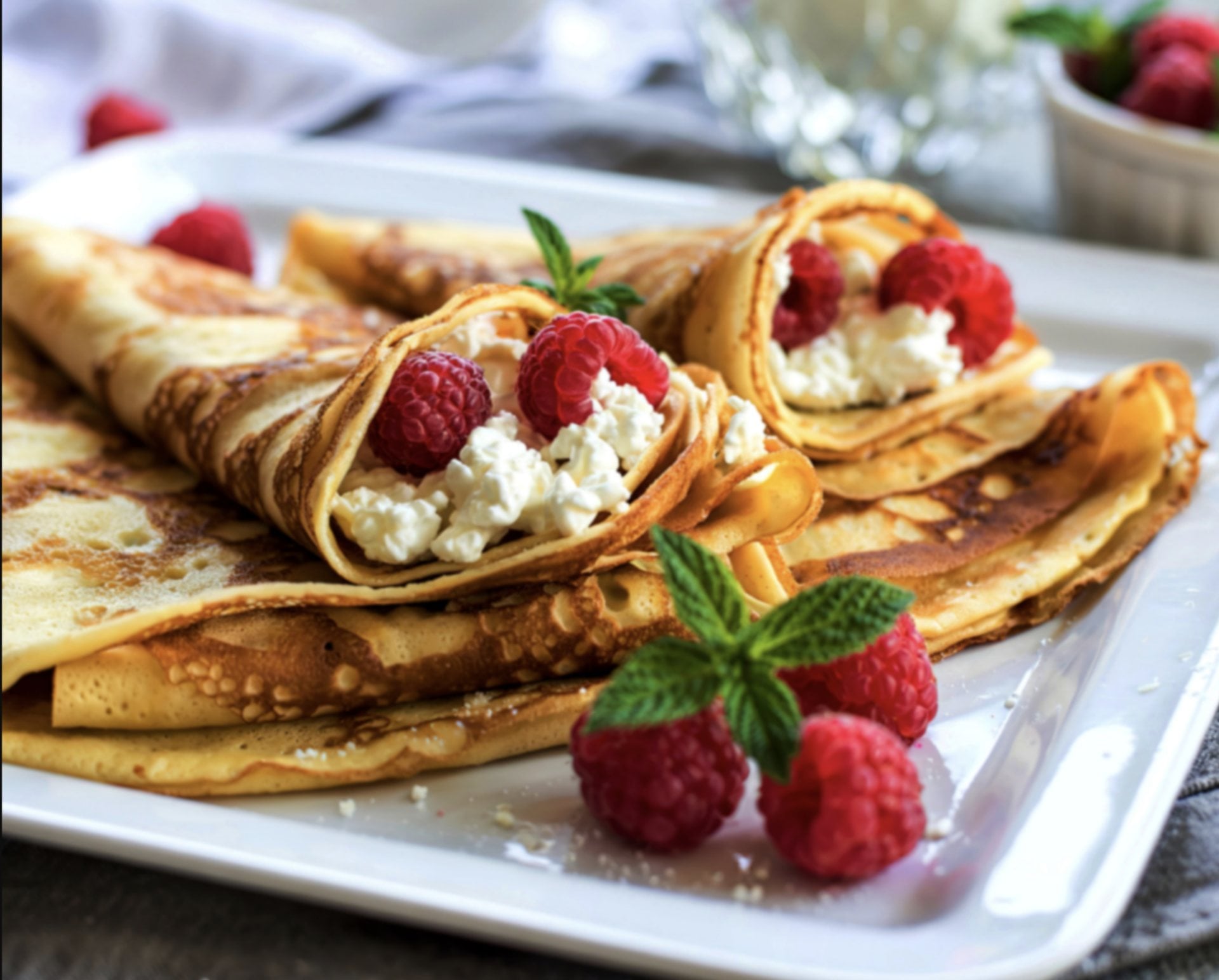
Ghana, one of the world’s largest cacao producers, has inspired recipes like chocolate-infused pancakes that incorporate locally sourced cocoa powder. These pancakes often include spices such as cinnamon or nutmeg and can be topped with tropical fruits like mango or pineapple for a fresh contrast.
4. French Chocolate Soufflé
The French chocolate soufflé is a delicate dessert that showcases chocolate’s ability to transform into a light, airy texture. Achieving the perfect rise requires precise technique, but the result is a decadent experience that melts in the mouth, balancing intense chocolate flavor with a tender crumb.
Practical Tips for Cooking with Chocolate
Incorporating chocolate into your cooking can be rewarding but requires some understanding of its properties. Here are practical tips to help you experiment confidently:
Choose the Right Type of Chocolate: Baking chocolate, couverture chocolate, cocoa powder, and chocolate chips each serve different purposes. For example, couverture chocolate melts smoothly and is ideal for tempering and coating, while cocoa powder is perfect for adding chocolate flavor without moisture.
Control Temperature Carefully: Chocolate is sensitive to heat. When melting, use a double boiler or microwave in short bursts to avoid burning. Overheating can cause chocolate to seize and become grainy.
Balance Flavors: Chocolate pairs well with a variety of flavors including fruits (berries, oranges), nuts (almonds, hazelnuts), spices (cinnamon, chili), and even savory ingredients (cheese, chili peppers). Experiment with combinations to create depth.
Consider Texture: Incorporate chocolate in ways that complement the dish’s texture. For example, use melted chocolate in sauces, chunks or chips in baked goods, and cocoa powder in dry rubs or smoothies.
Mind Ethical Sourcing: Whenever possible, select fair trade or sustainably sourced chocolate products to support ethical farming practices and environmental stewardship.
Celebrating International Chocolate Day at Home
Whether you’re a seasoned chocolatier or a curious beginner, International Chocolate Day is an excellent occasion to try something new. Hosting a chocolate tasting party featuring different cacao percentages and origins can be educational and enjoyable. Alternatively, challenge yourself to prepare a recipe that uses chocolate in an unconventional way, such as a savory mole or a spiced hot chocolate.
For those seeking simplicity, even a homemade chocolate bark with nuts and dried fruits can be a delightful treat that highlights the natural flavors of quality chocolate. Sharing these creations with friends and family amplifies the joy and appreciation for this global ingredient.
International Chocolate Day invites us to reflect on chocolate’s journey from ancient sacred drink to modern culinary staple. By exploring unique recipes and understanding the nuances of cooking with chocolate, we enrich our appreciation for this complex ingredient. Whether incorporated into a rich sauce, a delicate dessert, or a comforting beverage, chocolate continues to inspire creativity and connection across cultures. With mindful choices and a spirit of experimentation, anyone can celebrate the magic of chocolate in their own kitchen.