
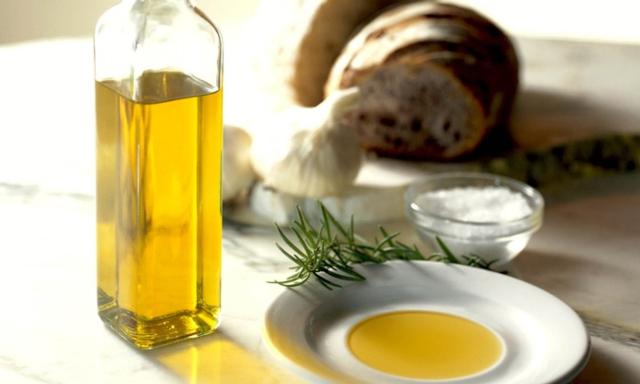
Did you know that a simple herb-infused oil or vinegar can transform an ordinary salad or dish into a gourmet experience? The art of infusing oils and vinegars with herbs is both a time-honored tradition and a versatile technique that elevates everyday cooking. Beyond just adding flavor, these infusions can serve as personalized culinary signatures, making homemade meals uniquely memorable.
The Science and Appeal of Herb-Infused Oils and Vinegars
At its core, infusion is the process of extracting flavors, aromas, and sometimes even medicinal properties from herbs into a liquid medium—typically oil or vinegar. Oils such as olive, grapeseed, or sunflower oil act as fat-based carriers that absorb and preserve the herb’s essential oils and subtle nuances. Vinegars, on the other hand, bring acidity and brightness, capturing tart and tangy flavors alongside herbal notes.
Get The Latest News!
Don't miss our top stories and need-to-know news everyday in your inbox.
Infused oils and vinegars are not only flavor enhancers but also practical pantry staples. For instance, a basil-infused olive oil can intensify the freshness of summer dishes, while a rosemary vinegar can add complexity to dressings and marinades. Their long shelf life, when prepared and stored properly, makes them a convenient way to have gourmet ingredients on hand.
Selecting the Right Herbs and Base Liquids
Choosing the right herbs is crucial. Fresh herbs like rosemary, thyme, basil, and tarragon are particularly popular for their robust flavors and aromatic qualities. However, dried herbs can also be infused, especially in vinegar, with slightly different but still enjoyable results.
When selecting oils, extra virgin olive oil is often the first choice because of its rich flavor and health benefits. However, lighter oils such as canola or avocado oil can be used if a more neutral base is desired. For vinegars, white wine vinegar, apple cider vinegar, and white distilled vinegar each offer distinct taste profiles and acidity levels that interact uniquely with herbs.
Step-by-Step Guide to Infusing Oils
Prepare Your Herbs: Wash fresh herbs thoroughly and let them dry completely. Any moisture left on herbs can promote bacterial growth, which can spoil the infusion.
Choose a Clean, Sterile Container: Use a glass bottle or jar with an airtight lid. Sterilizing the container by boiling it in water beforehand helps extend the shelf life of your infusion.
Combine and Heat (Optional): For a quicker infusion, gently warm the oil and herbs together over low heat for about 5-10 minutes. Avoid overheating, as excessive heat can degrade the oil’s quality and the herb’s flavor.
Infuse: If you prefer a slower method, place the herbs in the container and pour room-temperature oil over them. Seal the jar and store it in a cool, dark place for 1 to 2 weeks, shaking it gently every few days.
Strain and Store: Once infused to your liking, strain out the herbs using a fine mesh sieve or cheesecloth. Transfer the oil to a clean, dry bottle. Store in the refrigerator and use within a month to maintain freshness.
Crafting Herb-Infused Vinegars
Herb-infused vinegars rely on a similar but slightly different process, which emphasizes thorough flavor extraction and longer steeping times.
Select Vinegar and Herbs: Choose a vinegar that complements the herbs. For example, tarragon pairs well with white wine vinegar, while rosemary can shine in apple cider vinegar.
Prepare Herbs: As with oils, ensure herbs are clean and dry. Fresh herbs typically yield the best results, but dried herbs can be used for a stronger flavor.
Combine and Steep: Place herbs in a sterilized jar and cover completely with vinegar. Seal the jar tightly and store it in a cool, dark cupboard for 2 to 4 weeks. Shake the jar occasionally to redistribute flavors.
Taste and Strain: Begin tasting after two weeks to determine if the vinegar has reached the desired intensity. Once ready, strain out the herbs and transfer the vinegar to a clean bottle.
Storage: Herb-infused vinegars have a long shelf life due to their acidity but are best used within 6 months for optimal flavor.
Safety Considerations and Best Practices
One important note when making herb-infused oils is the risk of botulism, a rare but serious foodborne illness. Because some herbs and garlic can carry bacteria that thrive in low-oxygen environments like oil, it’s essential to:
- Use dried herbs for longer infusions, or
- Refrigerate fresh herb-infused oils and consume them within one week, or
- Freeze infused oils for longer storage.
Vinegars are generally safer because their acidity inhibits bacterial growth.
Creative Uses and Serving Suggestions
Herb-infused oils and vinegars are incredibly versatile. Drizzle basil oil over grilled vegetables or use rosemary vinegar to brighten up a bean salad. Infused oils can serve as dipping sauces for artisanal breads, while herb vinegars make exceptional components in vinaigrettes, marinades, and even cocktails.
For gifting, homemade infused oils and vinegars packaged in decorative bottles with personalized labels make thoughtful and elegant presents.
Tips for Success and Experimentation
- Start Simple: Begin with one herb per infusion to understand its unique flavor contribution.
- Mix Herbs Thoughtfully: Once comfortable, experiment with combinations like lemon and thyme or chili and oregano.
- Monitor Flavor Development: Taste infusions regularly; herbs can become overpowering if left too long.
- Label Your Creations: Note the date and ingredients to track shelf life and flavor profiles.
Exploring the craft of herb-infused oils and vinegars opens a world of culinary creativity. By selecting quality ingredients, following safe preparation methods, and experimenting with flavors, you can create customized pantry staples that transform everyday meals into memorable dining experiences. Whether enhancing a simple salad or elevating a gourmet recipe, these infusions bring depth, aroma, and character to your cooking repertoire.