
Our Daily Show Interview! OSF Healthcare: What to Know About Cholesterol and AFIB
ALTON - Experts from OSF HealthCare discussed important information about cholesterol and atrial fibrillation (AFib) during a recent interview on "Our Daily Show," coinciding with National Cholesterol Education Month and National Atrial Fibrillation Awareness Month.
Get The Latest News!
Don't miss our top stories and need-to-know news everyday in your inbox.
 Meredith Walter, MSN, ANP-BC, and Margy Goetten, NP, RN, MSN, BSN, both healthcare providers specializing in cardiology at OSF HealthCare, joined the studio on September 8, 2025, to explain the relationship between cholesterol levels and AFib, a common irregular heart rhythm.
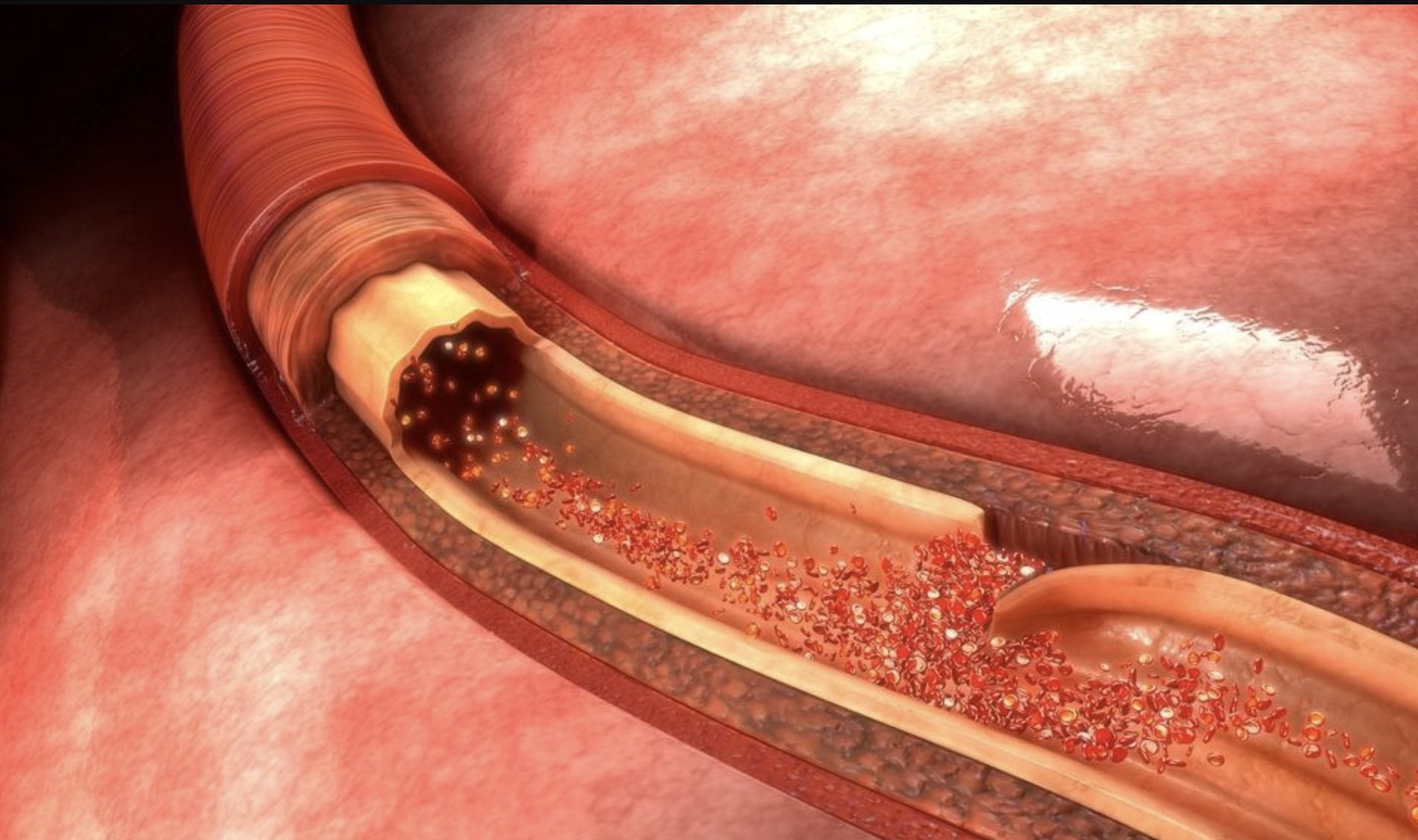
Cholesterol, described as a waxy fat substance in the blood, plays a role in producing proteins and amino acids, Goetten said. However, Walter and Goetten emphasized the distinction between “good” and “bad” cholesterol, noting that low-density lipoprotein (LDL) cholesterol is considered harmful because it can accumulate in arteries throughout the body, not just the heart.
Guidelines recommend that individuals begin cholesterol screenings in their 20s, with follow-up monitoring every five to 10 years. After age 40, monitoring should become more frequent, especially for those with risk factors such as a family history of early heart attacks. Walter cautioned against behaviors that may skew blood test results, such as consuming high-fat or sugary foods like fast food shortly before testing, which can influence triglyceride levels.
 “Keeping cholesterol numbers lower helps prevent it from sticking to arteries,” the two said. She also noted that genetics, overweight conditions, and diabetes can complicate cholesterol management. High cholesterol typically does not present obvious symptoms, making regular screening important.
On the topic of AFib, the pair described it as the most common abnormal heart rhythm worldwide, characterized by the top chambers of the heart beating too fast and out of sync. Symptoms often include heart racing, irregular heartbeat, dizziness upon standing, and sometimes chest discomfort. Goetten added that AFib increases the risk of stroke and should be evaluated promptly.
The interview highlighted that AFib can affect individuals as young as their 20s, with risk factors including the use of energy drinks, alcohol, and certain drugs such as cocaine and methamphetamine. Both clinicians stressed that AFib can be intermittent and sometimes asymptomatic, making self-awareness and advocacy for symptoms critical.
“Sometimes people are in AFib and don’t know it,” Walter said. “You are your own best advocate. You have to advocate for yourself, your symptoms, and what is not normal.”
The two providers also described their collaborative work at OSF HealthCare, sharing patient care responsibilities and consulting with physicians from Saint Louis University to provide comprehensive cardiology services.
The discussion underscored the importance of regular monitoring and management of cholesterol and AFib to reduce cardiovascular risks and improve patient outcomes.